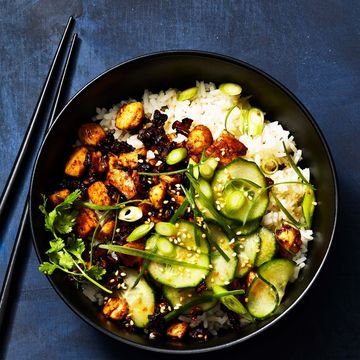
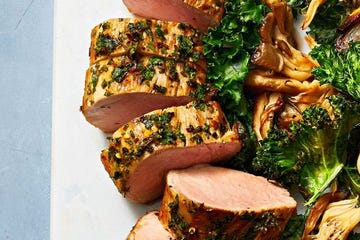
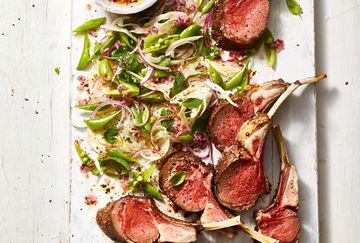
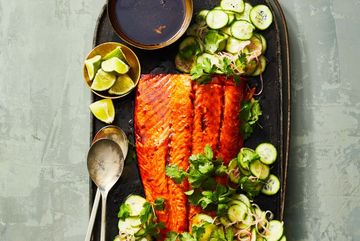
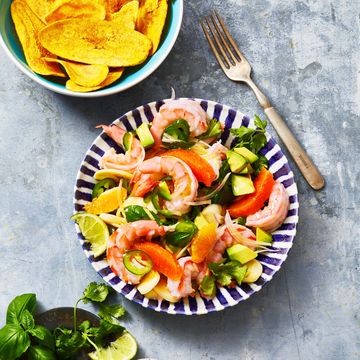
Fish Tales, written by Bart van Olphen and Tom Kime, tells the story behind the fish market the story of real fishermen, who risk their lives every day to catch the fish we eat. Thirty percent of many fishermen's lives are at sea, isolated and away from their families. Kime and van Olphen traveled the world to learn about (and beautifully photograph) these fishermen at work, and to explain what it takes to make a fishery sustainable.
Bart van Olphen is the founder of Fishes, a unique fish market in Amsterdam that is bridging the gap between the fisherman and the consumer. van Olphen is trying to create a social media network so that consumers can ask their "personal fisherman" questions about their catch, develop relationships amongst consumers and fisherman and sustain a fair price in the market for sustainable fish. Fishes is the first Marine Stewardship Council-certified retail store in the world. The Marine Stewardship Council is a global organization dedicated to increasing the recognition of sustainable fisheries, rewarding sustainability and tracing sustainable fish from fisherman to consumer. The Fishes brand is projected to enter the U.S. market at the beginning of 2011 and van Olphen hopes that it will spark more interest in sustainable fish and increase the amount of Marine Stewardship Council-certified fisheries and fish in the U.S. In 2008 Fishes was awarded the most sustainable seafood company in the world by Seafood Choices Alliance.
We talked to van Olphen about the book, which shines a light on nine different sustainable fisheries around the world. Also try these delicious grilled fish recipes from Fish Tales for yourself.
TDG: What is sustainable fishing and why is it so important?
Bart van Olphen: Sustainable fishing is built on three principles. First the fish stock needs to be healthy. Second, the fishing methods needs to make sure they do not harm the surface of the sea and are not having high bycatch. Finally the management of the fishery needs to be professional. In other words, all fish caught needs to be reported in the best way in order to protect fishing stocks and to inform the final consumer about the origin of the fish consumed.
Sustainable fishing is so important because only 25% of the world's fish population is healthy. The other 75% needs the chance to get healthy. Thus if the 25% is fished by sustainable means, following the ebb and flow of the planet, then the 75% will have the chance to get better again and we can leave the state of the ocean and fish a better place for our children and generations to come ... hopefully better than when we got here.
Eight percent of the total amount of ocean vessels in the world catch approximately 80% of the world's fish stock. It is important to have this controlled, spread the catch amongst other vessels and maintain smaller fisheries in business. It is very important to promote and stimulate artisan fisheries around the world because 52% of the fish that is consumed on the planet comes from the developing world where many of these artisan fisheries are located. We must try and keep the old methods of fishing these are sustainable and have survived generations, some for thousands of years.
What is your favorite story during the journey?
My favorite story has to be the time I spent living with the Eskimos in Alaska. The Eskimos live by subsistence they live on the Yukon River and only work from June through September each year. They have the highest unemployment rates in the US 92%. The salmon from this region, from a scientific standpoint, is considered to be the best salmon in the world because the Yukon River salmon are born in fresh water, swim to salt water, and then swim back to the exact spot in which they were born, to the millimeter. Because the Yukon River is so long it allows them more time to feed in fresh water, making the salmon tastier when eaten. One piece of salmon from the Yukon River has the equivalent health benefits of 10 capsules of fish oil!
(Editor's Note: Unfortunately, today Yukon River salmon fisheries are failing because of low salmon return. Recently, the U.S. Department of Commerce awarded $5 million in federal disaster relief to the Pacific States Marine Fisheries Commission to help rebuild the communities in the Yukon who relied on these fisheries for their livelihood.)

Where can consumers find more information on sustainable fish?
To find fish that is certified, go to Marine Stewardship Council Website. Also check Alaskan Seafood Marketing Institute and their new iPhone app which gives recipes and tips on how to cook frozen sustainable fish.
Where can readers purchase fish that has been sustainably fished?
The best thing for consumers to do is ask restaurants and fish purveyors if the fish they carry is sustainable. On the West coast look for tuna, black cod and sablefish. East coast: scallops, lobster and crab. To look for local suppliers check out the Marine Stewardship Council supplier directory and also check out Seafood Choices Alliance. You can also visit the Whole Foods website, along with Project Oceans, Greenpeace, and the World Wildlife Fund.
Photo: Simon Wheeler, used by permission of Kyle Books
Any last tips for our readers?
Sustainability is inherent to small scale fisheries. We need to take care of them! There is a huge potential for growth many small fisheries are not yet Marine Stewardship Council-certified, but carry out sustainable practices. Others need to change. Perhaps if U.S. fisheries see more demand from consumers, they will change. Our markets must go from a demand market to a supply market to help maintain subsistence.
Consumers can also help fish stocks by eating smaller portions approximately 6-8 ounces. Also, base what you eat on what there is to eat - what is in season. Please, spread the word on what sustainability is to friends and family. And ask fish purveyors to supply Marine Stewardship Council-certified fish and indicate which fish they are selling that is sustainable.
Friend us on Facebook and Follow us on Twitter
|
||||||||||||
![]() |
Enter your city or zip code to get your local temperature and air quality and find local green food and recycling resources near you.
|
![]() |
||||||||||
![]() |
||||||||||||
Comments| Add a comment