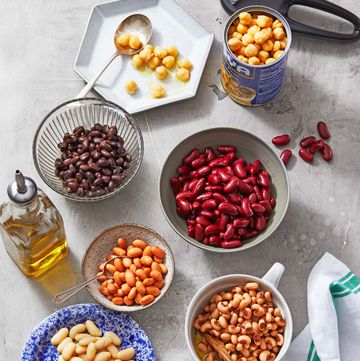





Passover is the perfect time to think about eating seasonally, according to Leah Koenig, editor of The Jew and the Carrot, a blog focused on the intersection of Jews, food, and sustainability. Koenig says the Seder plate runneth over with seasonal symbols: the roasted lamb bone celebrates the springtime meat; karpas symbolizes the first greens after winter; and a roasted egg recalls fertility and rebirth. She offers tips to make this year's Passover celebration a healthy and sustainable one.
Spring cleaning
Passover tradition dictates a ritual and literal cleaning of chametz, or leavened bread products and crumbs. Take care of this Passover duty with green cleaners from nontoxic, biodegradable lines such as Ecover, Seventh Generation, Mrs. Meyers, or Shaklee. You could try making your own green cleaners with natural ingredients that you likely already have in the house. Use washable cloths, or try these biodegradable sponges from Twist.

The Seder plate
Charoset is a mixture of apples, nuts, wine and spices. Choose organic apples for yours, and Koenig suggests adding Equal Exchange's fair trade pecans, which come from a co-op in Georgia and make a tasty predinner snack for hungry guests too.
Baytzah is a hardboiled egg. Choose organic, cage-free eggs. While 'cage-free' isn't a label that is tightly regulated, the term is used to describe eggs laid by chickens who are not kept in cages the size of laptops, and who can peck and scratch.
Zeroa is a roasted lamb shank or poultry neck. You can try to find an organic option, or go vegetarian. Koenig suggests roasting a beet instead of the lamb shank for a veggie Seder plate.
Karpas is a green herb or vegetable, often parsley, that is dipped in saltwater, which represents tears. If you can't find locally grown greens, Koenig suggests growing your own; quinoa sprouts in just two to three days.
Maror is bitter herbs, and horseradish is typically used. You could buy a bottle of it, but Koenig suggests buying horseradish root and grating it yourself. She says to hold up an ungrated root when it comes time for the Hillel sandwich, so your guests know where that bitter stuff comes from.

Spring flowers
You want to have flowers on the table to celebrate Passover -- it's spring, after all. But the flower industry is notorious for using lots of pesticides and creating unhealthy environments for workers. Look for the USDA Certified Organics seal, or the VeriFlora emblem. VeriFlora is America's first Green Label certification standard for the floral industry, and it ensures sustainable agricultural practices have been used. Organicbouquet.com and Californiaorganicflowers.com are two online resources for organic flowers, and Sam's Club stores sell fair trade flowers.

Meat matters
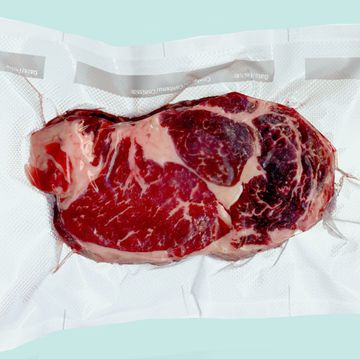
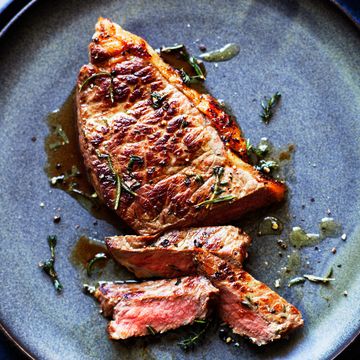
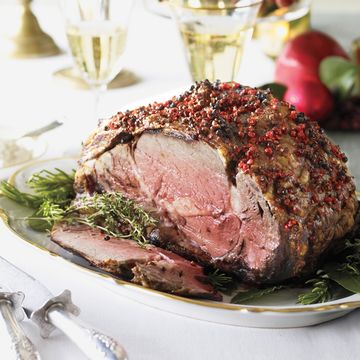
Meat dishes such as brisket and chicken soup with matzo balls are traditional favorites for Passover. Try to buy organic meat that comes from animals that were humanely raised. Shop at farmers' markets and at local butcher shops, where the staff should be able to tell you where the meat came from. Koenig recommends ordering from Wise Kosher, which is double certified organic and kosher.

Vegetarian Seder
Even if you regularly eat meat, Koenig says that Pesach is a great time to eat lower on the food chain and go veggie. Get inspired with one of these recipes:
Vegetarian Matzo Ball Soup recipe
|
||||||||||
![]() |
Enter your city or zip code to get your local temperature and air quality and find local green food and recycling resources near you.
|
![]() |
||||||||
![]() |
||||||||||
Comments| Add a comment
LOG-IN TO POST A COMMENT
POST A COMMENT