
Delicious Recipes for 13 Spring Fruits and Vegetables
Making sense of ramps, fiddlehead ferns and other items from the spring farmers' market.
Also try these spring recipes.
By Laura Sampedro
Fiddlehead Ferns
Despite their sci-fi looks, fiddlehead ferns are the young, unfurled shoot of an actual fern, and are inedible once they mature. Only available for three weeks in May, they are foraged in the wild (not farmed) and taste of asparagus and artichoke. Look for bright, tightly coiled ferns and remove any dirt by swishing them in a bowl with cold water and rubbing off excess dirt with your fingers. Cook them immediately (they'll only keep for two days in the fridge) and use them like asparagus in pesto, risotto, tossed with buttered linguine or sautéed with other spring goodies like morels. Try fiddleheads in these recipes, substituting them for asparagus:
> Spring Frittata
> Spicy Tofu and Asparagus Stir‑Fry
> Warm Asparagus and Citrus Salad
Strawberries
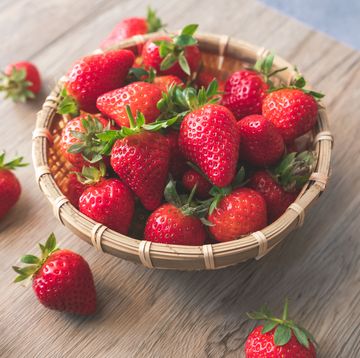
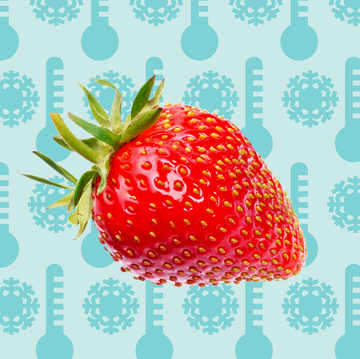
These false fruits (they're technically not a fruit, or even a real berry) are more than just a romantic cliche. Just 1 cup of them provides 140% of the recommended daily allowance of Vitamin C (that's even more than oranges). They're the first "fruit" of the season and extremely fragile. In fact, any moldy or blackened strawberries should be discarded immediately to avoid ruining other berries nearby. They should be stored unwashed in a loose, open plastic bag or wrapped in a paper towel, and never in the plastic containers in which they're often sold, which promote moisture and cause bruising and mold. Pesticide residue can be a problem with strawberries, so choose organic strawberries whenever possible. Try strawberries in these recipes:
> Fresh Strawberry Pie
> Strawberry Cake
> Citrus Yogurt Mousse with Strawberry and Raspberry Sauce
> Fior di Latte Ice Cream with Crunchy Bran Crust, Strawberries and Pinot Noir Sauce
Asparagus
Arguably the most popular of spring's vegetables, asparagus has a short growing season from April to June, and is best in May. When buying asparagus spears, look for straight, bright green stems and tightly closed tips. To save time when cooking, trim the ends ahead of time and store them in a plastic bag with a damp paper towel wrapped around the cut ends and place in the fridge. They're best fresh, but will last up to three days when stored properly. Try asparagus in these recipes:
> Lemony Grilled Asparagus
> Spring Frittata
> Spicy Tofu and Asparagus Stir‑Fry
> Bistro Pizza
> Gluten-Free Ruby-Red Rice Salad with Asparagus and Goat Cheese
> Warm Asparagus and Citrus Salad
> Quinoa Salad with Roasted Asparagus and White Beans
Rhubarb
Originally used for medicinal purposes, rhubarb is actually a vegetable commonly treated as fruit. It is rarely eaten raw because of its pucker-inducing tartness, and is generally referred to as the "pie plant" because of its common use in pies. Stems should always be firm and have a deep red color, and leaves (if still attached) should be large and a bright green. Store rhubarb in a loose plastic bag in your vegetable drawer for up to a week, until the stalks become soft. Try rhubarb in these recipes:
> Rhubarb Chutney
> Rhubarb and Strawberry Fool
> Strawberry Rhubarb Sparkler
> Rhubarb Whipped Cream
Artichokes
Hailed as a cure-all by the ancient Greeks, this scaly vegetable is actually a flower bud in the thistle family. Typically best from April to May, artichokes are high in fiber and should be a deep green color with tightly packed leaves and clean stems showing no signs of blackening or bruising. Nearly all artichokes in North America come from Castroville, Calif., where in 1947, Marilyn Monroe was crowned the first ever Artichoke Queen. Store yours unwashed, in a reusable plastic bag in the crisper of your fridge for up to a week. Try artichokes in these recipes:
> Roman-Style Artichokes
> Bow-tie Pasta with Baby Artichokes and Basil
> Artichoke Pizza
> Braised Baby Artichokes with Olives
Cherries
Usually best between May and June, cherries are the first stone fruit of the warm weather season. Unlike their stone fruit brethren, cherries do not ripen after they've been picked, so only buy those that are plump, have a deep, uniform color, and are ready to be eaten. Store them unwashed in a bowl or open canvas bag in your fridge. They can be frozen for future use, but make sure to remove the pit, and do not defrost them if you'll be cooking with them (you'll lose some of their juices along with the ice). Pesticide residue can be a problem with cherries, so choose organic cherries whenever possible. Try cherries in these recipes:
> Cherry Pie
> Barley, Nectarine and Cherry Salad
> Cherry Vanilla Ice Cream
> Quail with Golden-Cherry Barbecue Sauce
Green Beans
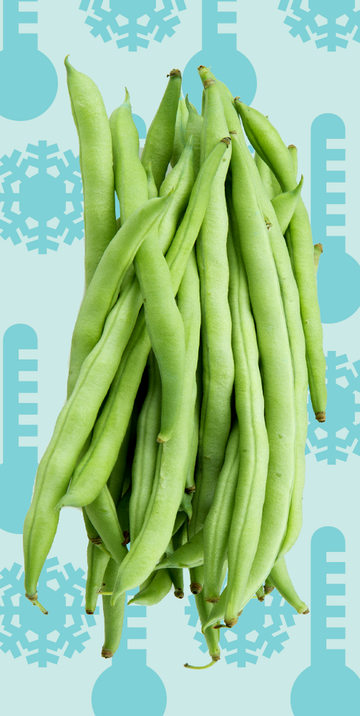
One of the few beans that can be eaten raw, green beans contain 120% of the recommended daily allowance of Vitamin K, which helps to build strong bones and is a key component of all prenatal vitamins (so eat up, expecting moms!). Peak season begins in May and lasts through the summer. Look for smooth, opaque pods that snap (not bend) and show signs of moisture at the breaking point. Store them in a tightly sealed container in your fridge for up to a week. Try green beans in these recipes:
> Penne with Green Beans and Basil
> Warm Garlic String Beans
> Shallot-Thyme Peas and Green Beans
> Mesquite Smoked Pork with Braised Green Beans and Honey Baked Beans
Radishes
Once thought to cure everything from whooping cough to gallstones, radishes are a root vegetable in the mustard family, which explains their somewhat spicy flavor. Most abundant from May to July, they're most commonly eaten raw, but can also be sauteed. Or, take a tip from the French and have them thinly sliced for breakfast with rich butter on a toasted baguette, topped with sea salt. They can last up to two weeks when refrigerated in a loosely closed plastic bag. Try radishes in these recipes:
> Sauteed Radishes
> Warm Potato, Radish and Fennel Salad
> Chilled Cucumber-Melon Soup with Radish Salsa
> Linguine with Shrimp
Scallions
These flowering onions are commonly thought to be immature white onions, but are actually a variety all their own. Often called salad onions because of their mild flavor, they should have dry, bright green tops and firm white bases and be stored unwashed in a plastic bag in your vegetable crisper. The greens should be used as soon as possible, but the white bulb can last up to two weeks. Use them interchangeably in recipes calling for green onions, spring onions or Chinese shallots. Try them in these recipes:
> Lemon Bulgur with Spring Vegetables
> Wild Salmon with Ginger and Green Onions
> Quinoa and Bulgur Tabbouleh Salad
> Avocado, Spring Onion and Mushroom Frittata
Baby Lettuces
Unlike other vegetables and greens, baby lettuces have just as much flavor as their full grown counterparts. In fact, they are usually tastier and sweeter since any bitterness at the lettuces' core has not yet developed. Look for whole leaves that are unbroken with no signs of wilting or browning. Avoid loose leaf lettuces as their exposed shoots can cause them to wilt faster. Store them unwashed in an open plastic bag in your crisper and use as soon as possible (within two days at the most). Pesticide residue can be a problem with leafy greens, so choose organic lettuce whenever possible. Try lettuce in these recipes:
> Avocado and Papaya Salad with Lime Dressing
> Shrimp Spring Rolls
> Salad with Roasted Shallot Vinaigrettes
> Greens with Pink Grapefruit and Red Onions
Ramps
Also known as wild leeks, ramps grow wild along the east coast from South Carolina all the way up to Canada and resemble scallions with leafy green tops. They have a distinctive onion and garlic flavor and a notoriously strong smell, and are only available in early spring. Because they are wild and not cultivated, they have an extremely short shelf life after they're picked and should be stored in an open plastic bag with a damp paper towel wrapped around the ends and used immediately. Use them instead of scallions in your favorite recipes. Try ramps in these recipes:
> Alice Waters's Lentil Salad
> Broiled Chicken Panzanella
> Corn Cakes with Spicy Peas
> Ramps with Shiitake Mushrooms and Fresh Fava Beans
Spinach
Once reported to have 10 times the iron of any other vegetable, spinach is actually right on par with most other greens (sorry, Popeye). While a can of it won't go straight to your biceps, eating it raw will provide you with large amounts of Vitamin C, Vitamin K, Vitamin A, beta carotene and folate. Unfortunately, spinach loses its nutritional properties with each passing day, so make sure yours is fresh from the farmers' market. Look for deep green leaves and no wilting or yellowing. Refrigerate it unwashed and loosely wrapped in a plastic bag for up to three days. Try spinach in these recipes:
> Asparagus and Spinach Pesto
> Spinach and Tangerine Salad
> Creamy Italian White Bean Soup
> Pan-Fried Steaks with Spinach and Tomatoes
New Potatoes
Sometimes called creamers or fingerlings, these diminutive tubers are immature versions of various larger potato varieties, giving them a thin, undeveloped and edible skin. Fresh potatoes have more potassium than bananas, spinach or broccoli and are full of fiber and Vitamin C. They stand up well to roasting and boiling whole with the skin on and should not be stored in the refrigerator. Keep them in a paper bag (never plastic) in a cool dark place like your pantry or basement for up to four days. Before cooking, make sure they're well scrubbed, have smooth skin and no visible sprouts or green spots. Try new potatoes in these recipes:
> Sunshine Potato Salad
> Portobello Mushrooms with Potato and Swiss Chard
> Mashed Potatoes with Celariac
> Blue Cheese Potato Salad with Bacon


Comments| Add a comment