8 Healthy School Lunch Superfoods for Kids

It's never easy to pack healthy school lunches for kids. Try these tricks to get superfood recipes into your kid's lunch.

Also see the top natural sources of Vitamin D in foods

By Dan Shapley

Share
kids eating school lunch
Getty Images
Back Next

No one said packing a healthy lunch day after day was easy. It's not. You can pack a great lunch, only to have it swapped for junk or discarded in the cafeteria trash. Or you can resort to packaged foods that you know your kid will eat, but which may be loaded with salt, sugar and empty calories. That's why choosing a few cleverly prepared superfoods can be a great way to make sure your kid is getting the nutrients he needs — and in a form he'll eat.

We came up with a few ideas, starting with The Daily Green's Superfood Index of vitamin-rich foods, and then came up with a few creative recipes that might entice your kid.

carrots
Philip Friedman / Studio D
Back Next

Carrots

Carrots are the No. 1 kid-friendly source of vitamin A and beta carotene, two essential nutrients for strong vision in the classroom, strong bones on the playground and a strong immune system for the crowded school bus. Carrots are also a top source of lycopene, a disease-fighting phytonutrient.

The good news is that kids will often eat carrots plain and raw. Cut them into kid-friendly spears, or get creative with the cutting board to keep enticing them.

Be aware, however, that carrots have made the list of dirty dozen foods high in pesticide residue, and childhood exposure to pesticide residue has been recently been linked to attention deficit disorders, among other potential health problems. (You can find the complete list of dirty dozen foods on The Daily Green.com.) Buy USDA-certified organic carrots to avoid pesticide residue.

yogurt
Christine Glade / Istock
Back Next

Yogurt

For a shot of calcium at lunch, nothing beats yogurt, but did you know plain yogurt is also a top source of potassium, a key nutrient for young hearts, muscles and bones? The problem is finding a way to dress yogurt up for a kid-friendly lunch, particularly if you're avoiding the many yogurts on the market that are overloaded with extra sugars.

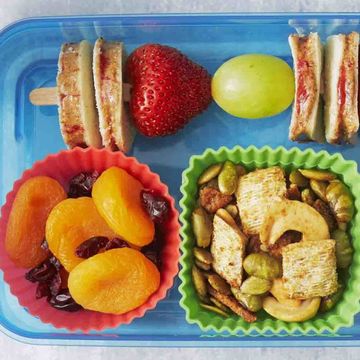
One great strategy is to send your kid to school not only with yogurt, but with some of her favorite whole grain cereals and fruits for toppings. Fortified cereals are packed with nutrients and provide a good source of healthy whole grains. And a fruit yogurt topping is one good way to keep healthy fruit in your child's diet.

Because dairy products can retain unwanted chemicals to which cows were exposed, you may want to choose organic yogurt. Look for yogurt packaged in containers that are BPA-free (avoid plastics marked with recycling codes 3 and 7), and consult The Daily Green.com's list of dirty dozen foods so you know whether to buy fruits and berries with the USDA organic seal.

trail mix
Greg Nicholas / Istock 
Back Next

Trail Mix

Trail mix comes in all forms. The trick is to find a mix that is both healthy and kid-friendly. Experiment to find the right balance for your kid, because it can be a great source of healthy superfoods, like sunflower seeds (the top source of vitamin E), pumpkin seeds (a top source of iron), nuts (a top source of vitamin E and a good source of omega-3 fatty acids) and raisins (a top source of potassium). And remember, chocolate is a superfood too, so don't be afraid to sprinkle a few chips in to make the mix more enticing.

Be careful to buy nuts that haven't been roasted in too much oil (for extra nutrition, you might want to try them raw). And be aware that grapes and raisins are on the list of dirty dozen foods likely to have high pesticide residue levels, so buy organic to avoid exposing your kid to potentially harmful chemicals.

Matjaz Boncina / Istock
Back Next

Red Peppers

Vitamin C is a powerful ally for kids trying to ward off or recover from colds. But did you know that kiwis have as much vitamin C as oranges and that red sweet peppers have twice as much of the disease-fighting nutrient? (The guava has even more vitamin C, but isn't the easiest fruit to pack in a lunch, though it can be used in a delicious Hawaiian breakfast smoothie.) Swap out oranges for a kiwi or red pepper every so often for some variety — and a splash of color.

Be aware that bell peppers have been on the list of dirty dozen foods likely to have high pesticide residue levels, so buy organic to avoid exposing your kid to potentially harmful chemicals.

Sweet Potato

The humble sweet potato is a cheap, nutrient-dense food that's the No. 1 source of potassium (it has way more than bananas) and a top source of vitamin A and beta carotene, making it a superfood for the heart, skeleton, muscles, eyes, immune system and bones. The problem is getting kids to eat sweet potatoes, particularly in a cold lunch.

At home, you might try a simple sweet potato mash with a dab of butter or sweet potato fries. For the brown bag lunch, try baked sweet potato chips for a kid-friendly snack.

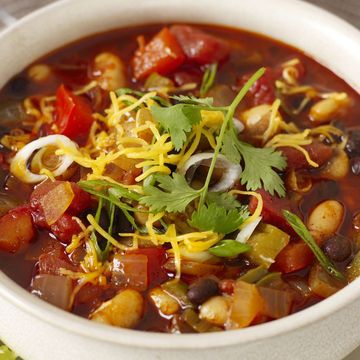
Tomatoes

Tomatoes provide powerful nutrition, with among the biggest doses per serving of the disease-fighting antioxidants vitamin E and lycopene. But even if the USDA famously considers ketchup a vegetable in school lunches (we do not, since there's as much corn syrup as tomato in the typical off-the-shelf ketchup), you may struggle to include tomatoes in school lunches.

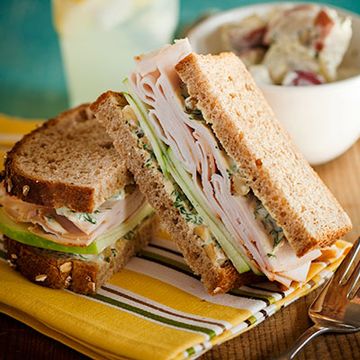
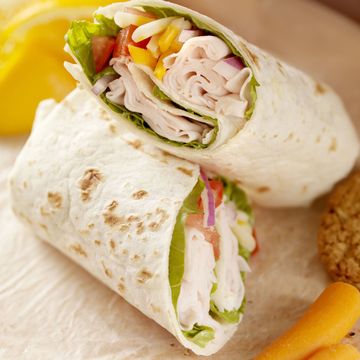
Try fresh cherry tomatoes, at least while they're still in season. They offer a sweet multicolored burst kids love, and they can be easily packed to avoid bruising. If that fails, there's always the old tomato-based standby: salsa. It's as easy to make salsa as it is to chop a few ingredients, so experiment to find a fresh salsa recipe that your kid likes, then pack it with some whole grain crackers for a nutritious snack. Finally, you can sneak some tomato on your kid's sandwich (turkey is a top source of both vitamin B12 and vitamin B6, and tastes great with a fresh tomato slice).

Alina Solovyova-Vincent / Istock 
Back Next

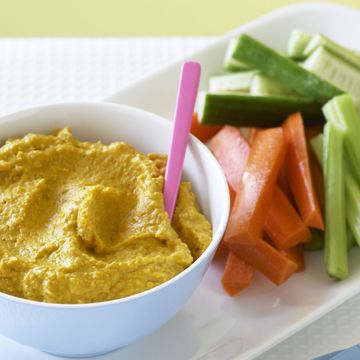
Chickpeas

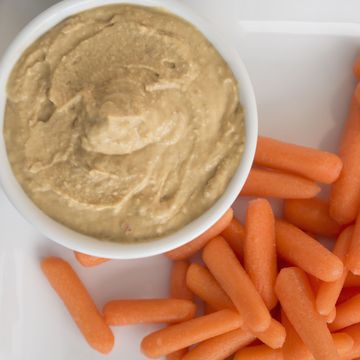
What kid would want to eat chickpeas for lunch? What parent wouldn't want to serve a cheap low-fat food that's a top source of vitamin B6, a nutrient that supports the immune system, maintain healthy blood sugar levels and fight disease? There's only one chance of satisfying both constituents: hummus.

Hummus can be easily made at home in a variety of ways, with different additions to make it more palatable to a child's tastes. It may take some experimentation, along with the right cracker to scoop up all the nutrient-dense goodness, but it will be worth the effort.

Suzannah Skelton / Istock
Back Next

Dark, Leafy Greens

Getting kids to eat dark, leafy greens is about as easy as telling someone born in the 21st century who Popeye and Olive Oyl were. Beyond trying different leafy greens as a garnish to a sandwich — and let's be honest, kids know how to remove the garnish before taking their first bite — you can try sending them off with some kale chips. Kale is a top source of vitamin K, which is only available from leafy greens, and helps the body repair itself from skinned knees, sprained ankles and other common playground injuries. It's also a top source of beta carotene and vitamin A. Kale chips are a crisp delivery system that might just work. We said might.

Be aware, however, that kale has been on the list of dirty dozen foods likely to have high pesticide residue levels, so buy organic to avoid exposing your kid to potentially harmful chemicals.

Restart Slideshow

Related Links