


ADVERTISEMENT
NEW GREEN CUISINE

10.6.2009 4:05 PM

6 Disgusting Facts About Hamburgers (and 10 Other Frequently Contaminated Foods)

Investigations by the New York Times and the Center for Science in the Public Interest turn up more than a few stomach-churners. See the latest food recalls.

Share
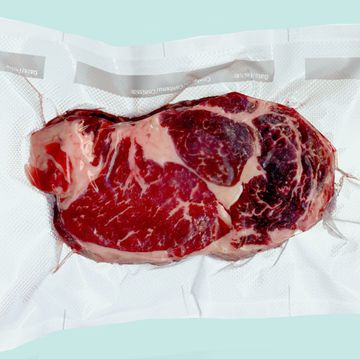
ground beef
Photo: Verena Matthew / Istock

By Dan Shapley

For a hamburger-eater, a recent New York Times investigation is nothing short of stomach-turning, even if by now revelations about unsanitary and inhumane conditions in the meat industry are nothing new. Here are some of the most shocking revelations in this weekend's must-read report.

  1. E. coli sickens tens of thousands of people annually in the U.S., and contaminated ground beef has been blamed for 16 outbreaks in three years, according to the report.

  2. Cost-cutting prompts most hamburger makers to source "beef trimmings" -- fatty bits sliced off of meat -- from several slaughterhouses. The largest component of hamburger meat is "50/50" trimmings -- half fat, half meat -- that costs just 60 cents a pound, the Times reported. While the slaughterhouses are asked to test meat for E. coli before supplying it, the hamburger-makers typically don't check it themselves, and so they often can't identify the source of any contamination.

  3. One prominent slaughterhouse, Greater Omaha Packing, slaughters 2,600 cattle every day, in a facility "the size of four football fields." Other stomach-turning phrases of note in this section of the Times article about typical slaughterhouse procedures: "cattle often arrive with smears of feedlot feces," "workers slicing away the hide can inadvertently spread feces to the meat" and "large clamps that hold the hide during processing sometimes slip and smear the meat with feces."

  4. Laboratories used by food companies missed up to 80% of E. coli in meat, according to a recent industry test, the Times reported. ... And "a few stray cells" of E. coli can make you sick. Additionally, typical cleaning of a kitchen will often fail to remove stray E. coli cells from cooking surfaces, according to a Times test.

  5. An assistant administrator in the USDA's Food Safety and Inspection Service is quoted in the report as saying, "I have to look at the entire industry, not just what is best for public health."

  6. Cargill, the nation's largest private company in 2008, according to the Times, earned in $116.6 billion in revenues that year. Like other meat processors, it -- and not the USDA -- is in charge of devising and executing its own safety procedures. Until this week, Cargill had not supplied meat to Costco, one of the few big producers to test its suppliers' meat, because of Costco's testing requirements. American Foodservice, which grinds an average of 1 million pounds of beef a day, said slaughterhouses often refuse to supply to processors who test their sources for E. coli.

One interestingly disgusting facts the article didn't mention: E. coli is a relatively new problem in beef -- the product of corn diets that cows didn't evolve to eat, and crowded feed lot conditions. In other words, contamination in the meat supply happens even before cows reach the slaughterhouse, the meat packing plant or the retailer.

What can you do? While grass-fed beef isn't a cure-all for bacterial contamination, beef fed a natural diet are much less likely to have high E. coli counts in their stomachs. And buying local may not be the answer in all cases, it at least gives consumers the opportunity to ask how cattle were raised and -- critically -- how they were slaughtered. Of course, there's always the vegetarian option, too.

While the USDA regulates meat and poultry products, which comprise about 20% of the food supply, the Food and Drug Administration is responsible for the rest -- produce, seafood, egg and dairy products, and packaged processed foods. In an effort to pressure the Senate to follow the House's lead on updating the nation's food safety laws, the Center for Science in the Public Interest today released a list of the 10 riskiest foods that the FDA regulates; together, these foods caused nearly 50,000 known illnesses in 1,500 outbreaks, from 1990 to 2006. Though vegetables and other foods are contaminated, the source of the contamination has in some cases been tied to nearby meat industry facilities, which have contaminated water supplies.

Top 10 Riskiest Foods*

*regulated by the FDA

  1. Leafy greens: 13,568 illnesses in 363 outbreaks

  2. Eggs: 11,163 illnesses in 352 outbreaks

  3. Tuna: 2,341 illnesses in 268 outbreaks

  4. Oysters: 3,409 illnesses in 132 outbreaks

  5. Potatoes: 3,659 illnesses in 108 outbreaks

  6. Cheese: 2,761 illnesses in 83 outbreaks

  7. Ice Cream: 2,594 illnesses in 74 outbreaks

  8. Tomatoes: 3,292 illnesses in 31 outbreaks

  9. Sprouts: 2,022 illnesses in 31 outbreaks

  10. Berries: 3,397 illnesses in 25 outbreaks

Note: A typo has been fixed since this article was originally published. Cargill's 2008 revenue had been incorrectly stated.


Share

Comments  |  Add a comment

Connect with The Daily Green
ADVERTISEMENT
The Dirty Dozen Foods
Vegan and Vegetarian Recipes
Natural Superfoods
Green Your Pantry and Kitchen
Natural Health Foods
Search for a location:
Enter your city or zip code to get your local temperature and air quality and find local green food and recycling resources near you.

ADVERTISEMENT
The Daily Green on Twitter
@the_daily_green
72,168 followers
Sign up for The Daily Green's free newsletter!