


(Green) clean the fridge and pantry.
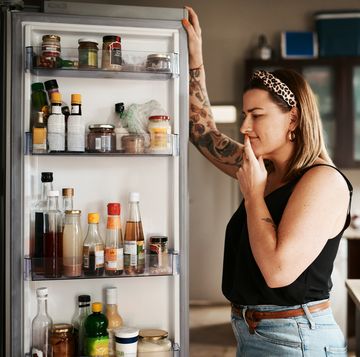
You're going to green your pantry. It's also the perfect time to clean, as you'll be removing and organizing items. Since you might be incorporating more fresh produce into your diet, you'll need to make room in the fridge too. Use an open container of baking soda to absorb odors and wipe down surfaces with a green cleaner from a biodegradable, nontoxic line such as Ecover, Seventh Generation, Mrs. Meyers or Shaklee.

Out with the plastic, in with the glass.
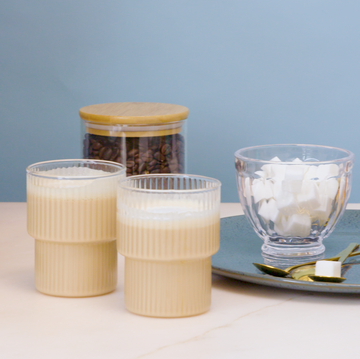
You won't see much plastic in a green pantry. Instead of keeping flour, sugar and other pantry items in plastic containers or plastic bags, try using sturdy, eco-friendly glass containers. If you insist on going the plastic route, stick to food containers made from recycled plastic such as those by Preserve.

Freshen up.
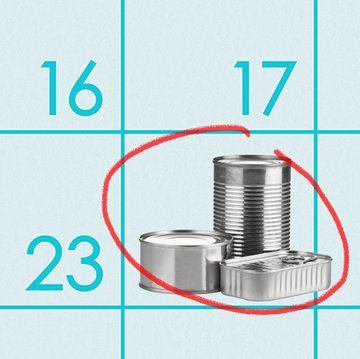
It's time to examine those expiration dates and get rid of any old goods. Remember, herbs and spices can get stale too, so consider replacing some of the older ones. Think smaller quantities so you can keep them up to date.

Know your labels.
Food labels can be confusing. When greening your pantry, you'll want to be familiar with these terms:
The '100% Organic' label means that products can contain only organically produced ingredients. 'Organic' means that 95% of the ingredients listed must be organically grown.
Organic certification is government regulated and does not permit the use of toxic and persistent pesticides and fertilizers, antibiotics, synthetic hormones, genetic engineering and other excluded practices.
Fair Trade Certified: This label helps to ensure that farmers are paid fair, above-market prices for their products. It also guarantees that farm workers are paid fairly for their labor.
Certified Naturally Grown: This label is used on items produced on smaller farms that use USDA Certified Organic methods and sell locally; it's like USDA Certified Organic Lite. Small-scale farmers who use this eco-friendly label do so to emphasize the natural farming methods used to grow your food.

Cut down on processed foods.
Purge your food closet of processed, high-fat foods. Cut down on chemical-filled snacks made with high-fructose corn syrup (read the labels!), sugary cereals, prepared canned meals that could live on your shelf forever. You needn't be wasteful: Donate any canned goods or unopened snack foods to a local food pantry.

Stock up on whole grains.
Get rid of refined grain products such as white bread, white rice, pasta and all-purpose flour, which are less healthy for you. You're going to be replacing them with whole grain bread, whole wheat pasta and brown rice. If you've got a sack of all-purpose flour that's already open, just substitute half the recipe requirement with whole wheat or unbleached flour the next time you need it.
|
||||||||||
![]() |
Enter your city or zip code to get your local temperature and air quality and find local green food and recycling resources near you.
|
![]() |
||||||||
![]() |
||||||||||