Which Foods Travel Farthest To Reach The Grocery Store?
Argentinian blueberries, Thai peaches and South African grapes -- Oh my!
Also see Recipes for 10 Tricky Seasonal Vegetables
By Annie Bell Muzaurieta
Seasonal Shopping
The local food movement has gained momentum in recent years, but it hasn't gone without its challenges. Some argue that the environmental impact of transporting food from faraway locales is negligible compared to the harm done by producing foods such as meat and dairy goods.
Still, buying local means you're reducing your food miles (the distance and energy it takes to ship the food to your plate). You're also helping to support small family farms and your local economy.
And you're more likely to know what you're getting.
Rich Pirog, the Associate Director of the Leopold Center at Iowa State University, says that when consumers learn about an issue such as the tomato scare during the salmonella outbreak, their first reaction isn't necessarily to think, Oh, I should eat local. He says, "The common response is, 'Wow, I need to pay more attention to where my food comes from and how it's grown.' Local provides answers to those questions people are asking."
You can't always buy 100 percent local, but you can avoid the foods that come from very far away, or that clearly aren't in season in this region of the planet. Here is our list of some faraway foods you might want to avoid this fall and winter.
Blueberries
Blueberries are a sweet summer treat. Rich Pirog, the Associate Director of the Leopold Center at Iowa State University, says stateside blueberry production basically goes from south — starting in Florida in late March or early April — to north, ending in Oregon, Washington, Michigan and then Canada in late September or early October. Then South America becomes the main source and the little berries double in price (they're highly perishable).
Instead of topping your cereal with blueberries during the fall and winter, try having some citrus on the side. Grapefruit and oranges are winter fruits.
Try this recipe: Beet, Orange, and Watercress Salad
Grapes
Pirog says we used to only eat California grapes, but there weren't any to be found during cold winter months. The Chilean industry kicked in in the 1970s to solve that problem, and consumption more than doubled. Depending on where you live, if you're chomping on grapes from April to mid-May they're Mexican grapes; from late May until early November, the fruit is likely from California; and from December through April they come from Chile and sometimes South Africa.
Like little bursts of flavor? Try pomegranates, which are in season in fall and early winter and come from California, on their own or as a topping for yogurt and ice cream. Unlike grapes, you'll need a utensil.
Try this recipe: Rice Pudding with Pomegranate Syrup
Peaches
Save that peach pie recipe for the summer. Early in the season, in late April and May, you'll find peaches from Georgia and California (the California season extends through September). Later in the season, peaches might come from Washington, Michigan, South Carolina, or New Jersey. But from November through the spring, peaches hail from all over the globe, including Argentina and Thailand.
Pears, on the other hand, are a fall fruit and come mostly from California, Washington, and Oregon.
Try this recipe: Honey Pears with Rosemary
Asparagus
Asparagus is a sure sign of spring, and California and Washington are top stateside producers. But before we see the fruits of the states' harvest, asparagus arrives from Mexico. Come colder months, most asparagus comes from Peru, according to USDA data. (You can also find this information with the Leopold Center's very cool tool.)
For some green, try kale, a winter veggie that's chock-full of nutrients.
Try this recipe: Peasant-Style Potato and Kale Soup
Canned Fruits and Vegetables
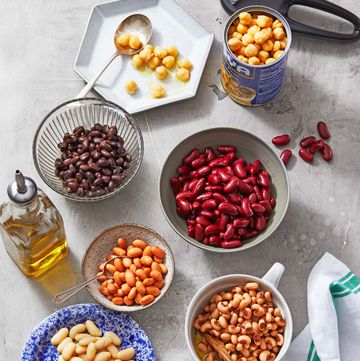
The winter's dearth of fresh produce can leave one reaching for a can of fruit. But remember that canned produce might have come from far away too. Pirog says canned pineapple is often from Thailand and Costa Rica; peaches might come from Spain; canned mandarin oranges are from China, and asparagus is likely from Peru. He adds that the canning of produce follows the harvest season of whatever country is producing it, but since you won't find a harvest date, those peaches may have been harvested three months ago or two years ago. The "best used by" date might provide a clue — the further in the future the best-by date, the more recently it was likely harvested.


Comments| Add a comment