

Political foot-dragging made it years in the making, but customers in U.S. supermarkets will soon know just where their food originates.
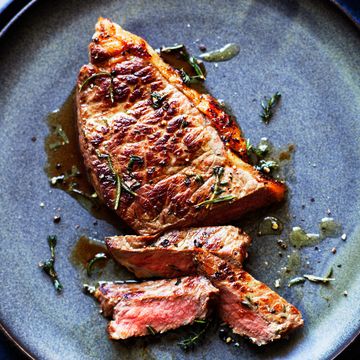
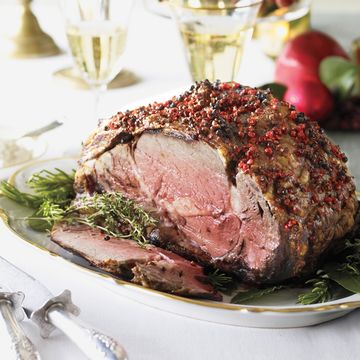
On Sept. 30, all meats, fish, poultry, produce and peanuts must have a country-of-origin label (COOL, for short). (Congress originally passed the law mandating COOL in 2002, but delayed implementation under pressure from the food industry, and meat and fish sold by butchers and fish markets are still exempt, as is processed food.)
"This is a long-awaited change and we think it will be a great benefit for consumers," said Jean Halloran, director of food policy initiatives for Consumers Union, the nonprofit publisher of Consumer Reports. "If a food safety problem is identified in a particular imported product, as happened with jalapeño and serrano peppers from Mexico earlier this year, then consumers will be able to avoid that product. On the other hand, some people like to buy certain imported products, like New Zealand lamb or Holland tomatoes. Still others just want to buy local produce. Either way, the new labels will give consumers important new information."
We agree. And so do 92% of Americans, according to a 2007 Consumer Reports poll.
Country-of-origin labels are already found on seafood and packaged and canned goods.
Why does this matter? Thousands of food facilities in more than 170 countries, from Afghanistan to Zimbabwe, supply food to the U.S. market. The Food and Drug Administration has acknowledged that it isn't up to the task of policing that increasingly complex international system. At least, now consumers will be armed with more information.
Here is Consumer Union's breakdown of what you can expect in the grocery aisle next month.
For more information, see Consumer Union's COOL Tool.
|
||||||||||||
![]() |
Enter your city or zip code to get your local temperature and air quality and find local green food and recycling resources near you.
|
![]() |
||||||||||
![]() |
||||||||||||
Comments| Add a comment