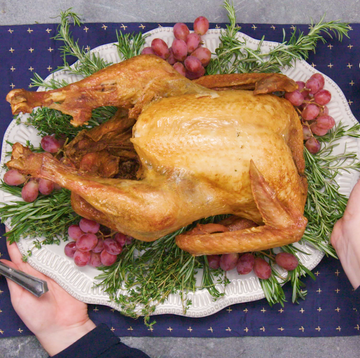


In the latest indictment against factory farming, chicken farms in Delaware have been shown to produce more toxic ammonia emissions than, well, factories.
If it were a race, it wouldn't even be close, according to the Environmental Integrity Project, which was formed by Environmental Protection Agency employees disillusioned by the Bush Administration.
"Based on available studies, the broiler producers in the top ten states released an estimated 481.7 million pounds of ammonia in 2007, or more than eight times the combined total reported by industrial sources (e.g., steel mills and refineries) to the EPAs Toxics Release Inventory ... Based on a recent study in Indiana, egg laying operations in the top ten states emitted and estimated 221.6 million pounds of ammonia per year, or nearly three times the amount reported to TRI by all industrial sources combined."
Consumers who choose locally and ethically raised chickens and eggs are typically thinking about the health of the chickens. Highly concentrated feeding operations house tens or even hundreds of thousands of chickens in the same structure, and the cruelest operations go so far as to cut off the beaks of chickens so the chickens can't act on their impulse to defend themselves from being squeezed in such tight quarters. The tight quarters also require the use of antibiotics to ward off sickness, and the overuse of antibiotics can lead to bacterial resistance that threatens human health. (Workers in poultry factories are 32 times more likely to be infected with antibiotic-resistant E. coli than people who work in other trades, according to a recent John Hopkins study, and just today, the Wall Street Journal reported that the FDA has reversed a decision and rejected the calls of public health advocates, in approving a controversial livestock antibiotic.)
Be aware that choosing "free range" chickens and eggs may not mean you're choosing safer or more humanely raised foods, as federal rules governing the use of the phrase are rife with loopholes. The best option is to find a local chicken farmer so you can see for yourself.
The states that would be most affected by the pollution non-reporting rule, based on the level of emissions in 2007, would be largely Southern "red" states. (Pundits have said that low-income Republican voters tend to vote for politicians that don't actually support their best interests. This may be another example.)
|
||||||||||
![]() |
Enter your city or zip code to get your local temperature and air quality and find local green food and recycling resources near you.
|
![]() |
||||||||
![]() |
||||||||||
Comments| Add a comment
LOG-IN TO POST A COMMENT
POST A COMMENT