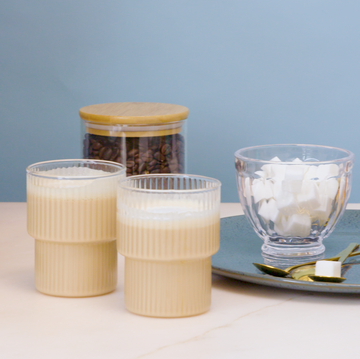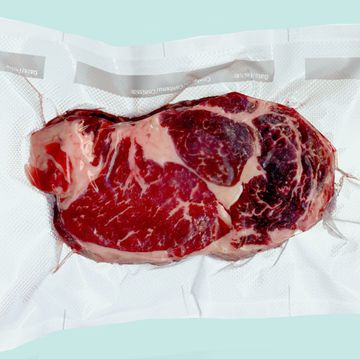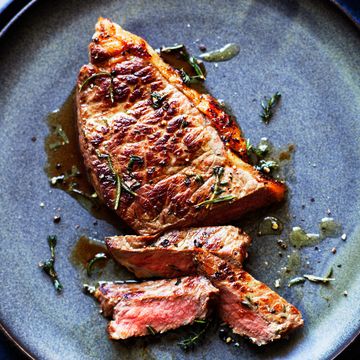
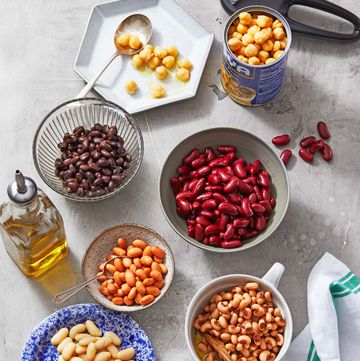

A new study suggests families can cut their exposure to two suspect hormone-disrupting chemicals by cutting canned foods from their diets. No more soup or tuna, no more beans or coconut juice at least not from a can, suggests the groups that conducted the study.
Peer-reviewed and published by a scientific journal, but small, the study studied five families in the San Francisco Bay area. By testing the subjects' urine, researchers measured their exposure to bisphenol-A and phthalates two chemicals that have been fingered as so-called endocrine disruptors because they mimic the body's hormones, and therefore may have effects on the body at minute concentrations. Researchers altered their diets for just two days by having a caterer provide meals made with fresh organic foods that had not been in contact with the types of food packaging the rest of us routinely encounter: plastic containers and wrappers, and cans.
The results: Exposure to the two chemicals dropped by about 50% and 60% to phthalates and bisphenol-A, respectively.
The solution: Store your food in glass or stainless steel, and as often as possible prepare and eat fresh foods (unless you know how a restaurant stores its ingredients). If you aren't in the habit of preparing your own food, here are dozens of recipes to get you started.
Alternatives: There is at least one BPA-free canned food alternative, from Eden Organic, which cost more but come without the chemical worry ($25.50 for 12 15-ounce cans of black beans, for instance, at amazon.com)
What the study doesn't show: The study doesn't associate the levels of exposure, either before or after the diet intervention, with specific health effects. Identifying a "safe" exposure level has been an ongoing topic of scientific debate, with the government generally (but not always supporting the chemical and food packaging industries' contention that the chemicals are safe, while independent and university scientists continue to raise new concerns.
"This study suggests that removing BPA from food packaging will remove the number one source of BPA exposure," said Janet Gray, a Vassar College professor and a science advisor to the Breast Cancer Fund, which conducted the study with the Silent Spring Institute. "The study should serve as a call to action for industry and government to get BPA out of food packaging and to fix the broken chemical management system that allows it to be there in the first place."
Related: How to Prevent Breast Cancer: 15 Risk Factors, by Janet Gray
Bisphenol-A has been a growing concern, particularly among green consumers, pregnant women and new moms, but the concern has focused largely on hard plastics, like reusable water bottles, with the No. 3 or No. 7 recycling codes. The linings of cans, though, also contain BPA, as do cash receipts and a range of other products.
Exposure to Bisphenol-A, a synthetic estrogen, has been linked by increasingly voluminous independent research to a range of potential health issues, from obesity and cancer to fertility problems and developmental effects. As with most chemical exposures, the biggest concern is for children exposed in the womb or shortly after birth.
Exposure to phthalates, a family of chemicals that includes some androgen-mimicing chemicals, has been linked to male reproductive problems, among other health concerns.
The Breast Cancer Fund and the Silent Spring Institute have identified these 10 canned foods as the best to avoid, due to their relatively high levels of contamination:
|
||||||||||||
![]() |
Enter your city or zip code to get your local temperature and air quality and find local green food and recycling resources near you.
|
![]() |
||||||||||
![]() |
||||||||||||
Comments| Add a comment