- The Environmental Working Group has released the 2020 version of its annual Dirty Dozen list.
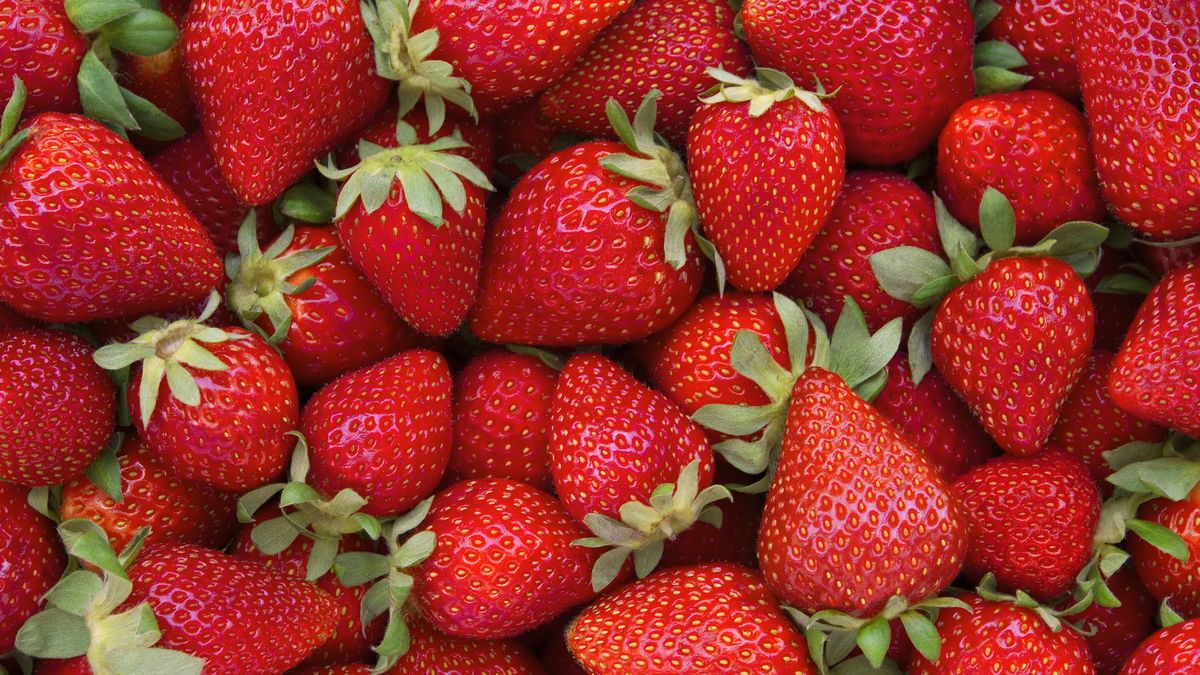
- Strawberries, kale, and spinach continue to top the list of 12 different vegetables and fruits that have been found to contain the highest traces of pesticides used in commercial farming. The residue is often well below current safety guidelines, and experts continue to stress that vegetables (of any variety!) are important.
- A follow-up report from the EWG also implicates store-bought hummus and canned, packaged, and fresh chickpeas sourced from a multitude of retailers.
Each spring, the Environmental Working Group (also known as the EWG) publishes a list of fruits and vegetables that experts at the nonprofit say contain elevated levels of pesticides that may be concerning. Now known as the Dirty Dozen list to health experts and in-the-know shoppers, the list has long called conventional farming methods into question, especially as the EWG also publishes a competing list called the Clean Fifteen that highlights produce containing little to no pesticides when grown conventionally.
The Dirty Dozen list has been published every year since 2004, mostly compiled on internal observations based on analysis of data from the U.S. Department of Agriculture, which routinely tests produce samples for pesticide residues. This year's ranking of pesticide contamination considers 47 different fruits and vegetables based on 43,000 plus data points generated by the USDA as well as the Food and Drug Administration. Here are the 12 grocery store finds that the EWG say had more residue than all others:
The 2020 Dirty Dozen Foods List:
- Strawberries
- Spinach
- Kale
- Nectarines
- Apples
- Grapes
- Peaches
- Cherries
- Pears
- Tomatoes
- Celery
- Potatoes
If you have been following the Dirty Dozen closely each year, you'll notice that this year's list is largely similar to last year's list — strawberries have again earned the top spot of concern for the fifth year in a row. Last year, kale made its way onto the list's top 10 for the first time in over a decade due to new data that suggested pesticide residues on this leafy green included traces of DCPA, a herbicide known under the brand name Dacthal. This year, leafy greens, including spinach, returned to the forefront of the list.
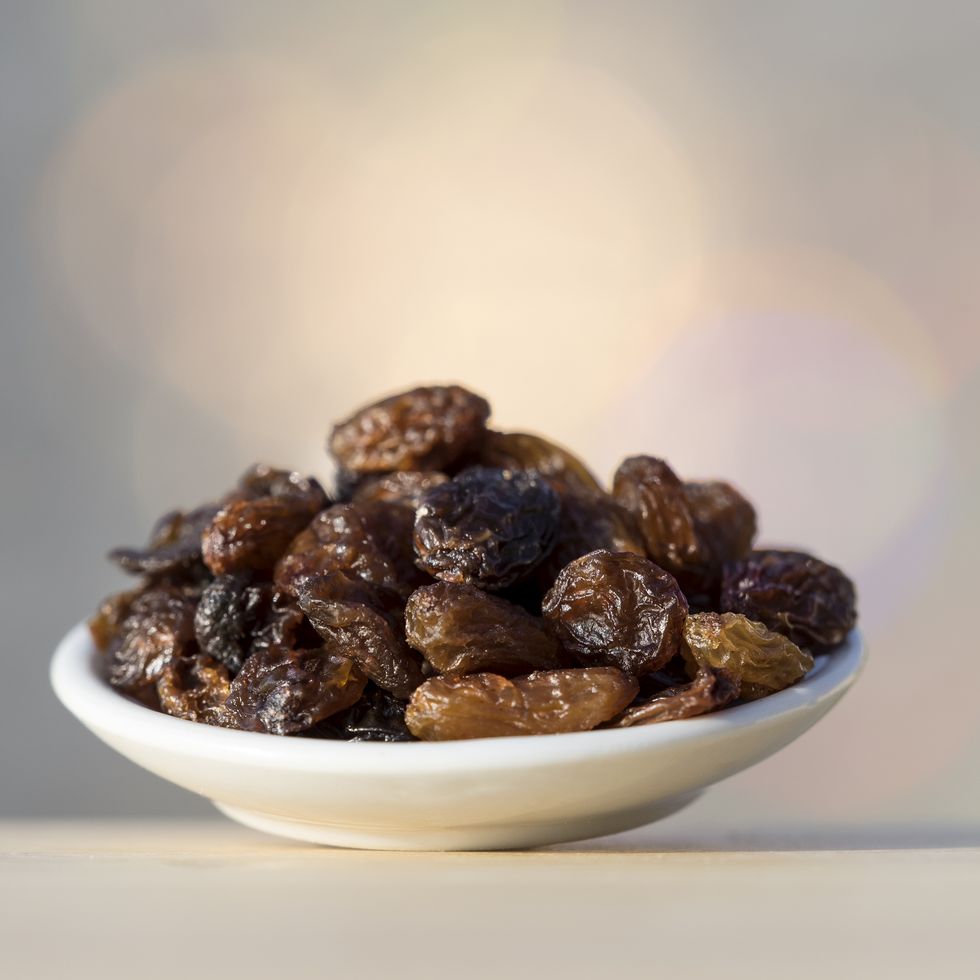
While it didn't officially make the list because it's technically processed, the EWG also included a special report about raisins, since the USDA included raisins in its most recent tests for pesticide residues. EWG experts say that 99% of nearly 700 raisin samples tested positive for traces of at least two pesticides, and one sample had 26 different pesticides. "If we included raisins in our calculations, they would be number one on the Dirty Dozen,” said Thomas Galligan, Ph.D, a toxicologist for the EWG, in a press release. Raisins aren't the only troubling store-bought snack on the EWG's list.
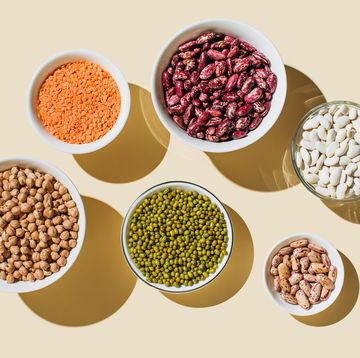
Almost four months after they released initial annual findings, the group also followed up with a new report that suggests hummus and chickpeas may also be tainted by trace amounts of pesticides — including organic varieties. Whole Foods Market's Original Hummus was implicated as containing "15 times the EWG benchmark" for glyphosate, a controversial herbicide used in Roundup; it also discovered traces in Sabra hummus, plus a few other varieties.
This doesn't mean that you should automatically cut out all raisins or hummus from your diet, or anything on this list, in fact. Stefani Sassos, MS, RD, CDN, a registered dietitian in the Good Housekeeping Institute, says that the EWG's report can feel extra scary without understanding the context in which the research was conducted. Sassos' background in holistic cancer treatment has taught her that organic produce can provide tangible benefits to most anyone, but it's important to stress that the dietary benefits associated with all of the produce items on the EWG's Dirty Dozen list far outweigh any potential blowbacks. Furthermore, previous research published in 2011 suggests that the traces of pesticides found on these vegetables and fruits are well below any federal limit: as much as 1,000 times below the Environmental Protection Agency's limit.
Nearly 90% of Americans do not eat enough vegetables and fruits in their diet, according to 2017 data from the Centers for Disease Control and Prevention, and essential nutrients like fiber as well as entire suites of vitamins and minerals are found in these items. Don't let this list deter you from eating kale, strawberries, spinach, or any of the other staples entirely.
Why should I buy organic produce?
The Dirty Dozen list might inspire you to shop smarter — even if you already try to buy organic products as much as you possibly can. If you are concerned about potential pesticides in your groceries (produce included!), Sassos says that the USDA has developed strict rules and regulations to govern organic foods. Anything carrying the USDA organic seal can't be genetically engineered and also must be grown in soil that is free from prohibited substances like synthetic fertilizers and pesticides.
Buying organic versions of the vegetables and fruits on the Dirty Dozen list should eliminate any possible risk associated with potential pesticides. In addition, however, Sassos says that several studies (including this 2014 paper published in the British Journal of Nutrition) have shown that organic produce has significantly more antioxidant polyphenols than produce that has been grown in conventional methods. These antioxidants may help reduce risk of chronic diseases, according to the research, including cardiovascular disease as well as certain cancer. Finally, Sassos says that organic farming methods used to harvest organic produce may also end up being more sustainable than conventional farming methods; soil integrity is key here, as is a biodiverse environment, compared to sheer output.
It's true that raw, fresh organic produce can be more expensive than conventional options — and in some regions, it may not be available at all. A smart alternative is to search for frozen varieties instead, especially for the produce items we see consistently each and every year, such as strawberries. "If fresh organic is too expensive, frozen organic foods come at a much better price point and last a long time. Plus, frozen produce is typically picked and flash-frozen at its peak nutritional value. Most frozen produce may be more nutritious than fresh produce that has been sitting on a truck during transport to the supermarket and then sitting in the grocery shelves for days (or even weeks)," Sassos says.
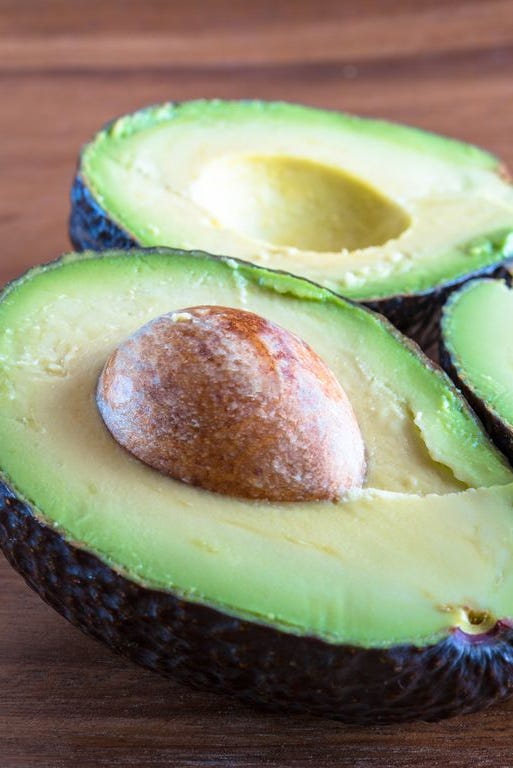
The 2020 Clean Fifteen List:
On the flipside, this is one EWG list we can get really excited about! These conventionally raised produce items had the lowest amount of pesticides residues, with nearly all of them only containing four or fewer pesticides. Almost 70% of these samples had no pesticide residues whatsoever:
- Avocados
- Sweet corn
- Pineapple
- Onions
- Papaya
- Sweet Peas (Frozen)
- Eggplant
- Asparagus
- Cauliflower
- Cantaloupes
- Broccoli
- Mushrooms
- Cabbage
- Honeydew Melon
- Kiwi
The Bottom Line: "At the end of the day, my personal opinion is that eating enough produce is the most important thing, regardless of whether it is organic or conventionally grown," Sassos says. "Don’t let the dirty dozen list deter you from eating produce if it isn’t organic: The nutritional benefits are still there and the vitamins, minerals, and antioxidants provided from produce are essential."
Zee Krstic is a content strategy manager for Hearst Magazines, focusing on SEO optimization and other editorial strategies for four brands, including Country Living, House Beautiful, ELLE Decor and VERANDA. He previously served as Health Editor for Good Housekeeping between 2019 and 2023, covering health news, diet and fitness trends as well as executing wellness product reviews in conjunction with the Good Housekeeping Institute. Prior to joining Hearst, Zee fostered a strong background in women's lifestyle media with eight plus years of editorial experience, including as a site-wide editor at Martha Stewart Living after developing a nutrition background as an assistant editor at Cooking Light. Zee produces service-based health coverage, as well as design and travel content, for Hearst brands on a contributor basis; he has written about food and dining for Time, among other publications.