

A single letter, just 115 words long, is all that remains of the feast that inspired Thanksgiving Day. Written by one of the New Plymouth colonists lucky enough to have survived a first year in the New World, the letter doesnt even hint at what was on the table. Scholars have had to make an educated guess. Most believe the original Thanksgiving menu was limited to corn raised from Wampanoag Indian seed, five deer provided by ninety visiting Wampanoag warriors, as well as wild turkey and other fowl, fish and shellfish, nuts and berries, and an indigenous species of squash. That Thanksgiving Day was, truly, a celebration of the local harvest.
It could be again. Like most things (and most of us), Thanksgiving has largely lost touch with its roots. The food on the table is as likely to have come from Romania or New Zealand as from nearby farmers fields. Meanwhile, the traditional turkey, Brussels sprouts and pumpkin pie dont make a lot of local sense to folks eating in Anchorage, Palm Springs or Honolulu.
Lets take back Thanksgiving as a celebration of the local harvest! In 2006, thousands of people across North America celebrated the first 100-Mile Diet Thanksgiving. This year, the traditional harvest feast is once again a rallying point for the local-eating revolution. Its easy. Just put together your Thanksgiving dinner using foods from within 100 miles of where you live. Theres nothing tastier than fresh food, in season and eating close to home is good for your health, the local economy, and the environment. Theres no better time to go local than the day that started it all.
The good news: Many of the traditional ingredients of a classic Thanksgiving dinner are in season and locally available across the U.S., from turkey to sweet potatoes to pumpkin. The harvest season is a time of abundance, and you might be amazed at whats available. Simply visit your local farmers' market or ask at your grocery about regional foods and producers.
Even better, consider shaking up your Thanksgiving routine why not create some new traditions? Each of us lives in a unique landscape with a food history all its own. Which foods are the symbols of the place you live in? Why not give them a place of honor at the center of your table?
Do you need to go totally local? Many people enjoy the challenge and invention that comes with making an entire feast using strictly local ingredients. But there are no rules. Maybe cranberries dont grow in your area but you cant imagine your local turkey without cranberry sauce. Or maybe Moms famous pumpkin pie is a family favorite. So, serve it up! Getting back in touch with your local food system should feel like an adventure, not a chore.
Following youll find five sample menus for five very different local Thanksgiving feasts. Some recipes are linked, but many of these dishes can be made using familiar or easy-to-find recipes with local ingredients and simple substitutions. Be prepared to experiment and dont forget to share your inspiration with other local eaters.
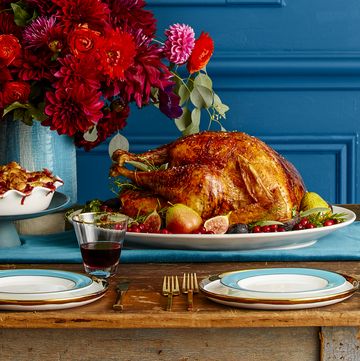
Heres a traditional Thanksgiving dinner with deep roots in the Northeast. Whatever your family classic, the ingredients are probably in season in New York.
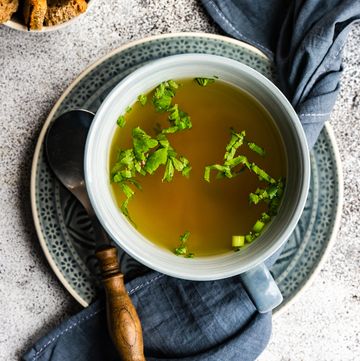
Celery Root and Apple Soup
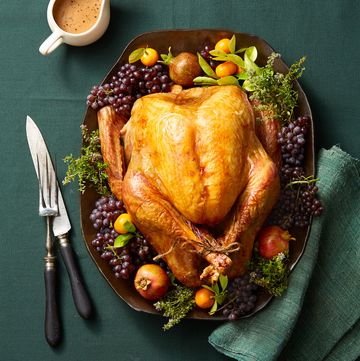
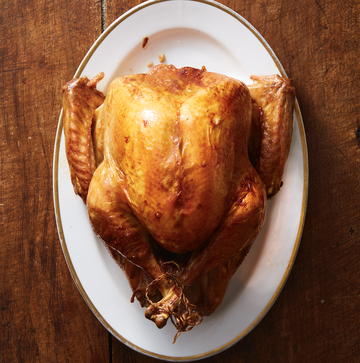
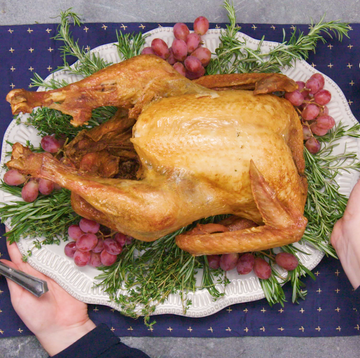
Roast Maple Turkey
Chestnut Stuffing
Buttered Brussels Sprouts
Roasted Acorn Squash
Mashed Potatoes with Gravy
Hard Apple Cider
Alisa Smith's No Spice Pumpkin Pie with Whipped Cream and Fresh Grapes
Heres a 100 percent 100-Mile Thanksgiving based on the meal we served in Vancouver, B.C., for the Canadian holiday (it comes a month earlier). It would work, with slight variations, from Northern California to southern Alaska, but if you are in western Washington State, check out these seasonal charts for vegetables and fruit.
Heirloom Tomato Salad with Blue Cheese and Roasted Hazelnuts
Steamed Artichokes with Tomato-Butter Dipping Sauce
Potato Muffins with Honey-Sweetened Cranberry Sauce
Poached Salmon with White Wine Cream Sauce* and Fresh Gooseberries
White Wine
Alisa Smith's No Spice Pumpkin Pie with Whipped Cream and Asian Pear Slices
*The recipe for this dish appears in our book, Plenty: One Man, One Woman, and a Raucous Year of Living Locally (Harmony Books, 2007).
How about a totally vegetarian, totally local Thanksgiving in the Midwest? Kansas City's 100-milers are some of the most active locavores in the country, with plenty of tips and resources online, plus a CD featuring recipes.
Beet Slaw with Horseradish Dressing
Baked Tempeh with Sauerkraut and Porcini Mushrooms
Sweet Potato Caraway Pirogies
Corn on the Cob with Expeller Pressed Soy Oil and Crispy Sage
Mashed Turnip
Red and White Wine
Pear Pie
One of the local food movements original voices, Gary Paul Nabhan, happens to live in Flagstaff. There, he helped create the Renewing America's Food Traditions map, which identifies "totem foods" for many regions of North America. Flagstaff is on the border of "Chile Pepper Nation" and "Pinyon Nut Nation," so heres a Thanksgiving menu inspired by Nabhan and by Arizona's seasonal farm foods.
Chiles Rellenos
Giant White Corn Posole Soup
Pinyon-Crusted Churro Lamb
Tepary Bean Terrine with Green Chiltepine and Tomatillo Sauce
Mashed Winter Squash
Pickled Nopales Salad
Mead
Pistachio Pudding
Many parts of North America did not develop or have largely lost any real local "cuisine." But strong local food traditions have survived the bland sameness of the global food system in some places, including the Deep South. So, come Thanksgiving Day in Montgomery, why not celebrate Alabama cuisine using Southern in-season foods?
Autumn Salad
Beef Filé Gumbo
Smothered Dove Breasts
Cornbread Dressing
Mashed Sweet Potatoes
Braised Greens
Dry Fruit Wines
Pecan Pie with Whipped Cream and Melon Slices
Websites
Cookbooks
Many regional cookbooks exist, and most feature recipes that can be adapted to work with local ingredients. Here are two that focus on seasonal recipes using widely available farmers market foods.James MacKinnon is the co-author of Plenty: One Man, One Woman, and a Raucous Year of Eating Locally.
Also check out this step-by-step Thanksgiving action plan.
|
||||||||||||
![]() |
Enter your city or zip code to get your local temperature and air quality and find local green food and recycling resources near you.
|
![]() |
||||||||||
![]() |
||||||||||||
Comments| Add a comment