40 Savory and Delicious Gluten-Free Dinner Recipes for Any Occasion
Nixing the bread? You won't be missing it with these recipes.
It's easy to fall into a rut of eating the same foods when you follow a gluten-free diet. But being gluten free doesn't mean you have to say goodbye to the tastiest meals out there. In fact, when you think about all of the fresh and crispy veggies, the tender and savory meats, and the rich and creamy dairy — wheat products aren't really necessary. And even those recipes that do call for products with gluten can easily be swapped out with rice or gluten alternative (we're looking at you, zoodles).
Here are some gluten free dinner ideas, including sides, that you have may have never tried before. Nevertheless, you'll surely love them. Don't forget to make something for dessert, too!
Grilled Leek Potato Salad

Enjoy these butter leeks on their own, or next to some savory barbecue.
Cheesy Hasselbacks
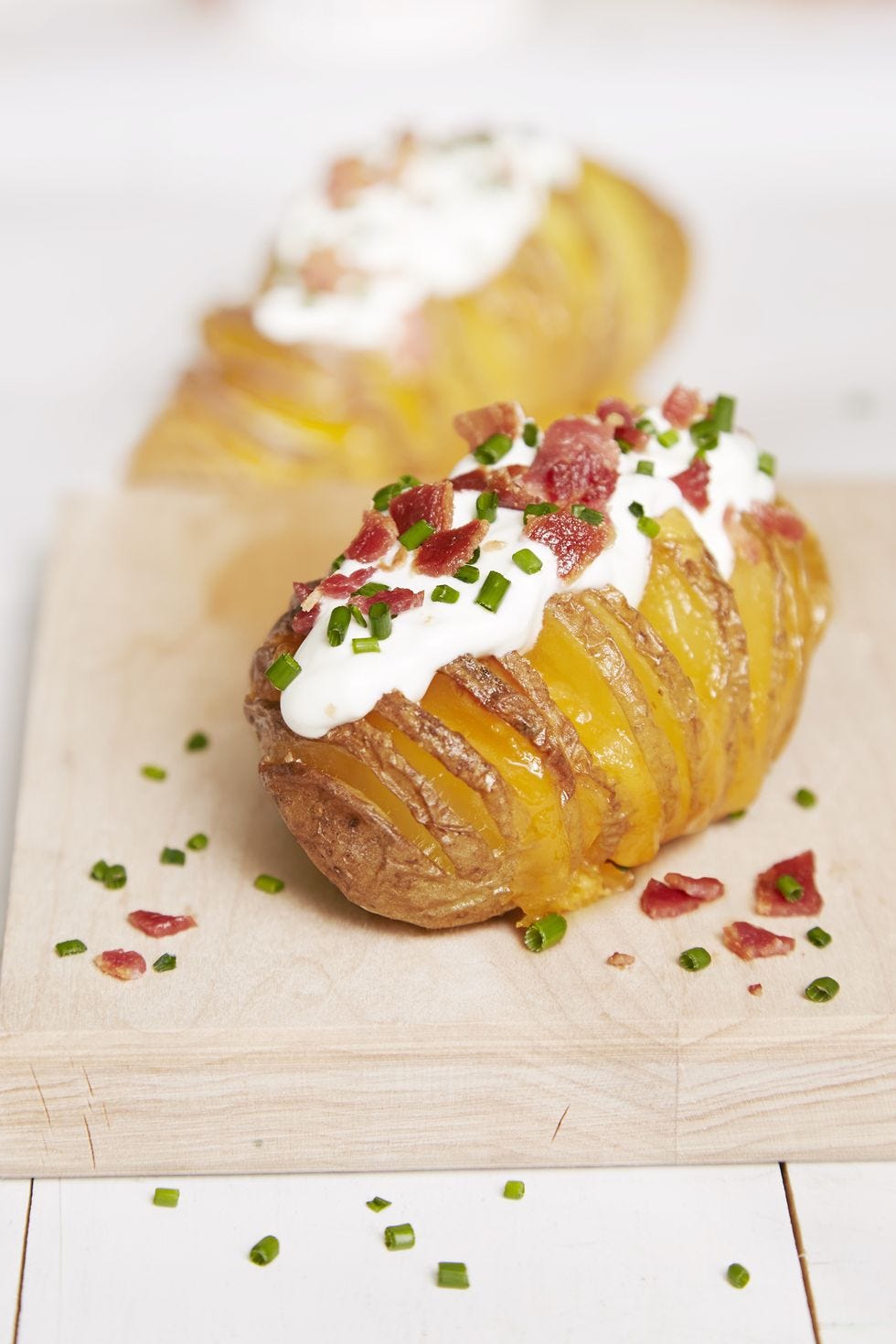
While it has all cheesy, sour cream-topped goodness of a baked potato, these hasselbacks definitely look much fancier.
Cheesy Tex-Mex Stuffed Chicken

Who needs taco shells? With cheesy chicken and hot peppers, all of the good stuff is right here.
Tuna Poke Bowl
White (or brown!) rice fulfills your carb-craving without requiring any gluten products. This poke bowl is fresh and flavorful!
Miso-Glazed Radishes
Miso adds just the kind of salt that you want in this root veggie meal.
Charred Snap Peas With Creamy Tarragon Dressing
This pretty green dish works perfectly as a side — or as the main attraction.
Get the recipe for Charred Snap Peas with Creamy Tarragon Dressing »
Quinoa-Stuffed Acorn Squash With Cranberries and Feta
Filling, savory, and easy to serve, this health quinoa-stuffed squash also has some sweetness thanks to cranberries.
Get the recipe for Quinoa-Stuffed Acorn Squash With Cranberries and Feta »
Quinoa and Veggies
Simple and refreshing, you get just what you're looking for in this fresh salad.
Slow-Cooker Brisket
Just one of the many amazing recipes that features your slow cooker doing all of the work for you.
Waldorf Salad
This signature walnut and apple-topped salad is the perfect light but filling lunch.
Creamy Corn Chowder
Potatoes and bacon in the ultimate creamy chowder — this may be the perfect comfort food.
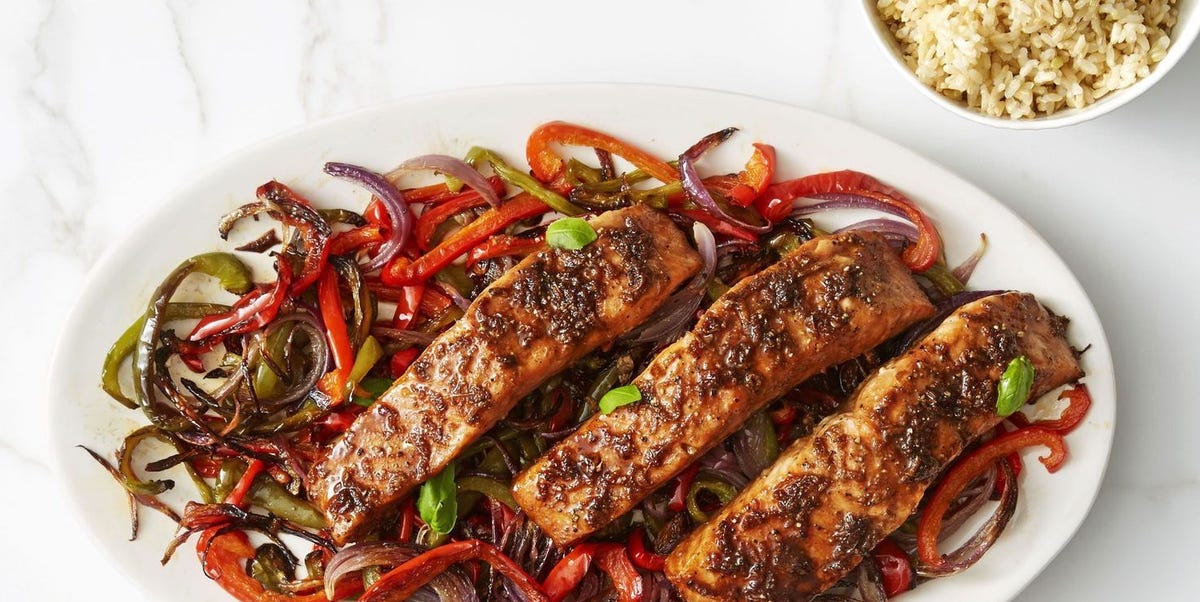
Honey-Soy-Glazed Salmon With Peppers
Come for the orange-glazed salmon, stay for the flavorful adobo sauce.
Roasted Artichokes With Caesar Dip
Chips and dip are so last year — try artichokes and dip instead.
Charred Shrimp, Leek, and Asparagus Skewers
Savory shrimp and fresh veggies? Talk about the perfect warm-weather meal.
Get the recipe for Charred Shrimp, Leek, and Asparagus Skewers »
Grilled Chicken With White BBQ Sauce
These aren't your average wings — but the cider vinegar BBQ sauce and tangy mayo will make you wish it were.
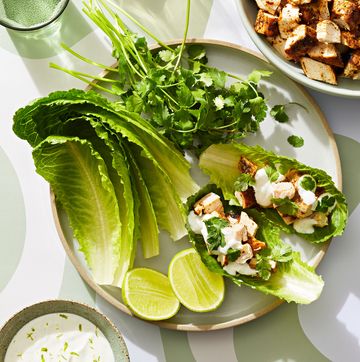
Savory Thai Turkey Lettuce Wraps
Lettuce tell you more about these wraps — the spicy Thai filling goes perfectly with the cool crunch of the lettuce shell.
Healthy Bean Chili
With sliced mango to mixed greens — this is certainly an upgrade from your standard meat recipe.
Chicken Souvlaki Skewers
A Greek favorite, you don't even need pita for these savory, garlicky skewers.
Charred Shrimp and Avocado Salad
Pineapple, avocado, and shrimp — a truly delicious trio.
Green Goddess Carrot Salad
Light and refreshing, carrot salad with buttermilk dressing is the perfect starter for any meal.