Saturday, May 17
ADVERTISEMENT
NEW GREEN CUISINE

Shopping for Organics: 5 Ways to Save

Quick tips for buying organics that won't cost a bundle

e-mail
print
rss
widget
more
Del.icio.us Seed Newsvinenewsvine StumbleUponstumble What is share?

By Karen Berner

1. Coupons, Coupons, Coupons According to Consumer Reports, the average American spends nearly $5,000 a year on groceries. With the organic sector showing the largest amount of growth in the food industry presently, coupons for organic foods are also becoming more common. Online coupons from your favorite organic food makers are another viable option to save some green.

2. Do Buy Store Brand Items If you’re still drawn to the more popular big natural and organic stores because they offer items that are not as readily found in the typical supermarket (such as exotic-tasting soups and funny-sounding figs), look for private-label items. They’re cheaper and taste just as good if not better than those products that have been marketed and packaged up the wazoo.

3. Do Buy Whole Unprocessed Foods The more processed or refined food is, the less nutritional value and fiber it will have. If you just have to have that cinnamon honey whole-wheat graham cracker that’s been doubly wrapped, look for either packaging that’s biodegradable or recyclable packages such as glass, aluminum and PET (polyethylene terephthalate — the embossed number “1” indicator that you commonly see) whenever you can. Also, check out foods in the bulk aisle and buy enough so that you can enjoy them for the next couple of weeks.

4. Don’t Grocery Shop Alone Shopping with a friend allows for the possibility of sharing of costs on bigger items — not to mention the sharing of gas it might have taken to get to and from the grocery store. If you have a membership at a no-frills warehouse store, split large packages of food up with your buddy. You don’t really need a whole 12-pack of 10 pounds each canned organic tomatoes now, do you?

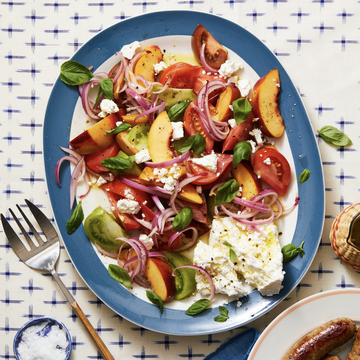
5. Do Buy Produce from Your Grocery Store That Are on the Dirty Dozen List, Just Make Them Organic The “dirty dozen” are the most highly contaminated foods with pesticides and chemicals — even after washing and peeling. This list includes peaches, apples, sweet bell peppers, celery, nectarines, strawberries, cherries, pears, imported grapes, spinach, lettuce, and potatoes. Buy their organic version whenever possible.


e-mail
print
rss
widget
more
Del.icio.us Seed Newsvinenewsvine StumbleUponstumble What is share?
leave a comment
If you signed up on the beta site, you'll need to re-register. (It's even better this time because you can select your own password.) Go to Registration.
[you must log in to post a comment]
Username Password
comments
There are no comments yet. Be the first!

ADVERTISEMENT

30 Days to a Greener Diet
Organic Food Label Decoder
The Dirty Dozen: Top 12 Foods to Eat Organic
5 Ways to Save When Shopping for Organics
Search for a location:
Enter your city or zip code to get your local temperature and air quality and find local green food and recycling resources near you.

ADVERTISEMENT
Hearst Digital Media