Saturday, May 17
ADVERTISEMENT
NEW GREEN CUISINE

The Dirty Dozen: Top 12 Foods to Eat Organic

Check out the top 12 foods you should buy organic whenever possible

e-mail
print
rss
widget
more
Del.icio.us Seed Newsvinenewsvine StumbleUponstumble What is share?

By Karen Berner

Not all of us can afford to go 100% organic. The solution? Focus on just those foods that come with the heaviest burden of pesticides, chemicals, additives and hormones. Whenever possible, deploy your organic spending power to buy organic versions of the following foods (in no particular order). Can't find organic versions of these foods? In some cases, we've listed safer alternatives that contain similar valuable vitamins and minerals.

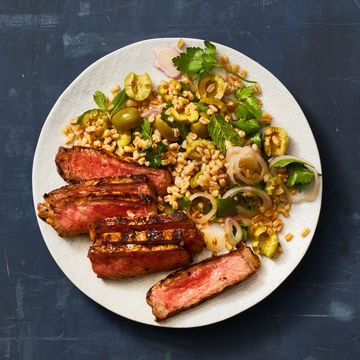
1. Meat. Contrary to a widely reported "fact," meat typically contains less pesticide residue than plant-based foods, according to Debra Edwards, the director of EPA's Office of Pesticide Programs.

That said, raising animals with conventional modern methods often means using hormones to speed up growth, antibiotics to resist disease and pesticides to grow the grain fed to the animals. As the EPA puts it in an Ag 101 feature, "Antibiotics, pesticides, and hormones are organic compounds which are used in animal feeding operations and may pose risks if they enter the environment."

Consumers looking to avoid meats raised with these substances can seek out certified organic meat. To meet USDA standards, this meat can come only from animals fed organic feed and given no hormones or antibiotics.

Publications as varied as the Wall Street Journal, in its 2007 When Buying Organic Makes Sense and When It Doesn’t, and Consumers Union, in its 2006 Tips on Buying Organics Without Breaking the Bank, recommend seeking out organic meats when possible.

2. Milk. Pesticides and other man-made chemicals have been found in human breast milk, so it should come as no surprise that they have been found in dairy products. While any residues detected have been rare, and of low concentration, milk is of special concern because it is a staple of children's diets.

Organic dairies cannot feed their cows with grains grown with pesticides, nor can they use antibiotics or growth hormones like rGBH or rbST.

3. Coffee. Many of the beans you buy are grown in countries that don't regulate use of chemicals and pesticides. Look for the Fair Trade Certified Organic label on the coffee package or can; it will give you some assurance that chemicals and pesticides were not used on the plants. It will also mean that fair prices were paid for the end product in support of the farm and that farm workers are treated fairly.

4. Peaches. Multiple pesticides are regularly applied to these delicately skinned fruits in conventional orchards. Can't find organic? Safe alternatives: watermelon, tangerines, oranges and grapefruit.

5. Apples. Scrubbing and peeling doesn't eliminate chemical residue completely so it's best to buy organic when it comes to apples. Peeling a fruit or vegetable also strips away many of their beneficial nutrients. Can't find organic? Safe alternatives: watermelon, bananas and tangerines.

6. Sweet bell peppers. Peppers have thin skins that don't offer much of a barrier to pesticides. They're often heavily sprayed and victim to pesticides commonly used to keep them insect-free. Can't find organic? Safe alternatives: green peas, broccoli and cabbage.

7. Celery. Celery has no protective skin, which makes it almost impossible to wash off the chemicals that are used on conventional crops. Can't find organic? Safe alternatives: broccoli, radishes and onions.

8. Strawberries. If you buy strawberries out of season, they're most likely imported from countries that use less-stringent regulations for pesticide use. Can't find organic? Safe alternatives: blueberries, kiwi and pineapples.

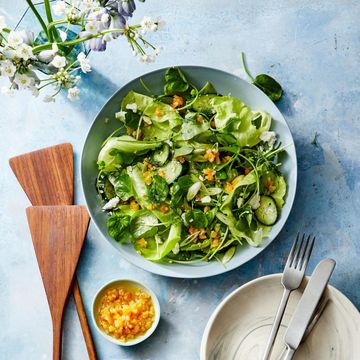
9. Lettuces. Leafy greens are frequently contaminated with what are considered the most potent pesticides used on food. Can't find organic? Safe alternatives: cabbage, cauliflower and Brussels sprouts.

10. Grapes. Imported grapes run a much greater risk of contamination than those grown domestically. Vineyards can be sprayed with different pesticides during different growth periods of the grape, and no amount of washing or peeling will eliminate contamination because of the grape's thin skin. Can't find organic? Safe alternatives: blueberries, kiwi and raspberries.

11. Potatoes. America's popular spud ranks high for pesticide residue. It also gets the double whammy of fungicides added to the soil for growing. Can't find organic? Safe alternatives: eggplant, cabbage and earthy mushrooms.

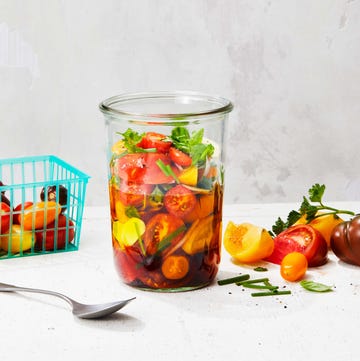
12. Tomatoes. A tomato's easily punctured skin is no match for chemicals that will eventually permeate it. Can't find organic? Safe alternatives: green peas, broccoli and asparagus.

If the cost of buying all organics isn't within your budget, fear not. Check out The Daily Green's top ten list of fruit and vegetables you don't need to buy organic, with tips for buying and how to clean, store and use them in delicious recipes.

The information for this article in regard to pesticides in fruits and vegetables is based on The Environmental Working Group's analysis of federal pesticide testing data for commonly eaten fruits and vegetables.


e-mail
print
rss
widget
more
Del.icio.us Seed Newsvinenewsvine StumbleUponstumble What is share?
leave a comment
If you signed up on the beta site, you'll need to re-register. (It's even better this time because you can select your own password.) Go to Registration.
[you must log in to post a comment]
Username Password
comments
5.12.2008
11:49PM
Do something good for your inside!
Take 1 ounce every morning of the Amazing Kyani Sunrise supplement. Recently, researchers analyzed 60 fruits and vegetables for their antioxidant capability. Blueberries came out on top, rating highest in their capacity to destroy free radicals. The Wild Alaskan Blue Berry has 10 times more powerful antioxidant power than the domestic blueberry.
For more information visit: http://antunes.mykyanilife.com or email me directly at: tharcya18@hotmail.com.
Thanks,
posted by tharcila
4.19.2008
2:54PM
no subject
I LOVE strawberries and after reading this article i was a bit conscious about buying them. Now i grow my very own strawberries. No pesticides and locally grown. :)
oh and thank you urdivine for that information. Very helpful.
posted by lilibeth2
4.10.2008
3:43PM
Dairy or beef in general
Cows have 4 stomachs. They are designed to eat grass. When we feed them grain (even organic) they get fat (more profit for the cattlemen) and they make lots of milk (good for profits from dairy farmers)..... however, the animals become sick as the grains ferment in their stomach and have no way to pass thru their system normally. Additionally it has been shown that grain feeding a bovine for as little as 2 weeks will undo the nutritional GOOD that organic grass feeding for 11-1/2 months does.
By your milk ORGANIC, GRASSFED and Grass FINISHED (not grain fed). Also, when we pasturize milk we destroy all the nutrition in it. With simple handling techniques, unpasturized organic grassfed dairy is manna from heaven. It is the perfect food. I have seen people who are severely allergic to dairy have NO problems with unpasturized dairy products. The homoginized milk is very unhealthy as it turns the fat molecules into shards that are dangerous for the human digestive system.
Read the book "Untold Story of Milk" - educate your self. Educate your children. Get involved in creating a better food supply for the next generation.
I am part of a grassroots movement to change the health of our nation. We found an amazing program that is creating miracles in peoples lives and health. If you would like to be a part of that movement, please contact me at ur.divine@yahoo.com - we are looking for smart people who would like to make money and create change, life and health.
posted by urdivine
3.22.2008
2:18PM
Coffee
Omiducky is correct - Fair Trade (FT) coffee is only organic if it is labeled as organic. Also, you may be buying FT coffee that is not labeled as FT due to costs involved, so ask your roaster. I have been in the coffee business for many years as a roaster and cafe owner, and have been certified organic and Fair Trade certified. Any roaster can buy FT coffees, whether they are certified or not, thus guaranteeing that a fair price was paid to the farmers; however, you can only advertise it as Fair Trade if you are certified, meaning that the roaster has to pay 2% of sales to TransFair USA to pay for their overhead expenses. Many roasters chafe at this, and so do not get certified by TransFair USA, but they still buy, roast and sell FT coffee. In addition, FT coffees can only come from co-ops, not estates, and there are plenty of estates that pay fair wages.
As far as organic, there are many parts of the world where coffee has always been grown without pesticides and without clear-cutting tropical forests, but the farmers there cannot afford organic certification, and so the consumer may be under the impression that coffees from those parts of the world are not organic. For example, until about 6 years ago, no Ethiopian coffees were certified organic, although they were grown organically. And India has produced some great organic coffees for years, but only recently have some become certified; check with your local roaster, and if they do not know, ask a green coffee importer (the biggest and best known are Royal, Atlas, OPTCO, Atlantic Specialty and Holland).
Finally, not all certified organic coffees are good for the environment. The most notorious are some Peruvian coffees. About ten years ago, coffee growers in Peru realized that they could charge a premium for organically grown and certified coffees. To their discredit, they cleared large swaths of virgin rainforest and planted coffee in its place. They were able to get organic certification, since there had never been any pesticides used there, but it was at a terrible expense to the biodiversity of the areas that were planted. To avoid this, buy bird-friendly or shade-grown coffees.
Here are a couple of good web sites to learn more:
http://www.shadecoffee.org/sha
http://www.songbird.org/
posted by LeftCoastRider
3.17.2008
4:10PM
no subject
jasctk - your information is inaccurate. my sister is an organic dairy farmer. her milk is tested frequently. if there are any antibiotics or growth hormones found in the milk, she has serious problems and her milk will not be accepted. who does your research?
posted by stephhassler
2.14.2008
7:25PM
Organic Coffee
Just a note: the Fair Trade certified label DOES NOT guarantee anything concerning the pesticides used on coffee or other products. The only way to truly assure organic is to see the Fair Trade organic label on the product. There is a large difference between the two labels.
posted by omiducky
2.6.2008
6:59PM
no subject
Regarding the counter-info on organic milk offered by jasctk...It would have been more authoritative if YOU had offered some citations with your advice. Even if you personally have training and credentials there's no way for us to corroborate that, but a citation to an authorative third party source can be checked out. Let's add to the credibility, not to the confusion, please.
posted by thirdear
2.6.2008
11:46AM
No thanks I will grow my own veggies
I have a large yard and lots of room to grow my own Organic veggies . I don't use pesticides and only use organic fertilizers I make myself . Then I know what is in them . I cann or freeze the veggies myself too .
posted by sixpkmomma
1.29.2008
4:07PM
what to buy organic - some inaccurate advice
Who does your research? The info. on milk is erroneous and I would expect your website to do a better job of researching a topic before posting something. It is actually illegal to sell milk with antibiotics in it (i.e. no milk has antibiotics in it) and all milk, even organic milk, has growth hormone in it. It is impossible to test as to whether a cow has been given it or not, and there is no evidence that this is detrimental to humans. In fact, milk with growth hormone is one of the most tested products by the FDA and they have continued to test it even after it was approved, which is unheard of by FDA standards. Please do your homework before posting things like this!
posted by jasctk
1.9.2008
3:45AM
growing your own
If a garden space is not available, strawberries and lettuce can easily and fairly maintenance free go in containers on your porch or balcony/deck and for not much money too. Lettuce seeds can be ordered from any number of catalogs or picked up at the hardware store and the selection is amazing and strawberry plants can be found in the spring and planting them in a whiskey barrel or the like will stop them from taking over your garden. Lettuce and herbs for that matter are quick to sprout and within a month and a half you can start picking leaves and enjoying yummy, pesticide free salads. Worth the bit of effort!
posted by across1234

ADVERTISEMENT

30 Days to a Greener Diet
Organic Food Label Decoder
The Dirty Dozen: Top 12 Foods to Eat Organic
5 Ways to Save When Shopping for Organics
Search for a location:
Enter your city or zip code to get your local temperature and air quality and find local green food and recycling resources near you.

ADVERTISEMENT
Hearst Digital Media