Across most of America, it's a tough housing market, especially for sellers and real estate professionals. The nation is awash in anxiety over mortgage defaults, credit problems, debate over bailouts and haggling over the future of Fannie Mae and Freddie Mac.
All real estate news isn't bad, however. With challenge comes great opportunity, and more and more builders, designers, real estate agents and homeowners are discovering that going green can help them get a leg up in tough times, as well as substantially decrease our environmental footprints, from carbon emissions to water and land use.
So how bad is the real estate market?
As home prices continue their downward spiral across most of the country, economists are increasingly concerned that other sectors will follow in the wake. The American real estate market is hurting after the past few years of over inflated prices and overly loose lending practices.
As U.S. home sales and prices continue to fall, experts predict the slump will carry into next year, while builders cut back on new starts. The National Association of Realtors estimated existing home sales fell 5.6% to 6.11 million for 2007.
Istock
An Indiana woman allegedly offered to pay a neighbor $5,000 to help her burn down her house and make it look like a botched rape attempt. Insurance industry experts are now worried that more homeowners will turn to arson in the coming months, as the housing market continues to suffer.
The housing glut that has homeowners and real estate agents worried across the country now has a negative environmental effect as well. With so many houses waiting unsold, no one is around to keep on top of cleaning the pools.
Shares of home improvement giants Home Depot and Lowe's have hit 52-week lows amid increasing pessimism in the housing market.
Kevin Russ / Istock
It used to be that most children expected to support themselves, and move out of their parents' houses, once they finished school. But these days many are finding themselves stuck in their old bedrooms, or even hitting up the 'rents for grocery and gas money. Troubles in the housing market are part of the problem, as well as the weak economy.
Malte Roger / Istock
As the nation teeters on the brink of recession, and the housing market continues it's steady, painful decline, home sellers and real estate agents are feeling a little more desperate. Some are cooking up hefty incentives for buyers, including giving away free cars.
Jiri Patava / Istock
As the nation's housing market continues to slump, amid record high foreclosures, plummeting prices and a credit crunch, more and more beloved family pets are starting to slip through the cracks in the American Dream. Now, with analysts murmuring about the possibility of the big R (Recession) settling in for real, the situation seems even more serious.
What Can Be Done About It?
Paul Sakuma/ AP Photo
Existing home sales neared a five-year low, major builders posted losses, and the stock market responded with a Dow Industrial tumble that could be among its biggest losses of the year. The real estate market, which for years now has been red hot, is in a serious funk. Here are four green angles on the story you won't hear elsewhere.
Despite the gloom and doom in the U.S. housing market, some folks are still doing relatively well. This includes mogul Donald Trump (at least where his house is concerned), but also green housing, which a lot of opportunities.
Real estate agents and homeowners alike are discovering that doing a little preemptive green remodeling can help them make sales in this tough market. Even in the country's worst housing markets, there are easy things you can do to attract that crucial buyer, while saving the planet. Here, your trusty friends at TheDailyGreen have put together everything you need to know: the best fixes for the most challenging housing markets, the newest green remodeling products and ideas. Plus blogs from real estate agents on the cutting edge of "selling houses green."
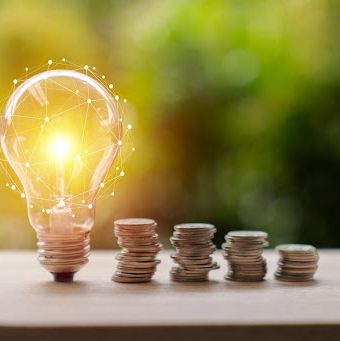
The best place to get started saving money on your utility bills, as well as boost your property value, may be with these simple energy efficiency and green homes tips.
Rob Hill / Istock
From a buyer's perspective, it makes perfect sense to purchase a home that has been given superior energy ratings, uses Energy Star-rated appliances, and is built or remodeled with many of the amazing sustainable materials available today. Going green has gone beyond being simply a frugal decision to maximize energy savings.
For sellers and builders green has become a great option to position properties in the market. With energy costs increasing rapidly and increased awareness of environmental issues in the general public, selling green means giving your property an edge on the competition.
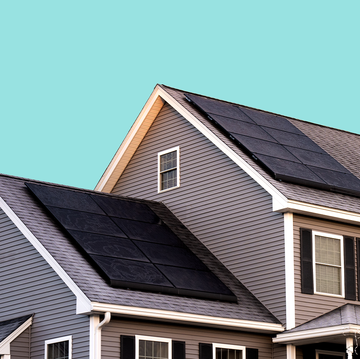
Some homeowners are seeing more interest in their properties if they have solar panels and other sources of renewable energy, not to mention energy efficiency.
In a trend that at first seems counterintuitive given the weak, and still declining, U.S. housing market, the San Francisco Chronicle has discovered that many homeowners are spending considerable amounts of money on their places. Much of the new investment is in green building features, such as energy efficiency upgrades and non-toxic products.
Opting to purchase a condo for city living has never been a better choice. With high-rise, mid-rise, townhouse and loft-style options, buyers have never had more to choose from. Enter the next level of city living: the green choice.
In a trend that could have substantial benefits for the environment, many buyers are choosing smaller, high density living spaces in select locations over more traditional suburbs and exurbs.
Adrian Beesley / Istock
Amid turmoil in the U.S. housing market, one thing is clear: even in the face of sharply rising foreclosures, there still isn't enough affordable housing to go around in many areas. Now, experts are saying developers should take a second look at aging and damaged properties, and revitalize those in a bid to stabilize the market.
Green mortgages, or energy efficient mortgages, allow homeowners to use their commitment to the environment to leverage bigger loans. The green mortgage was born in 1979 when President Jimmy Carter signed an executive order directing federally sponsored secondary market institutions to offer consumers incentives for energy-efficient homes. The concept is based on the premise that a more energy efficient home will have lower utility bills. That savings can be considered income, allowing a homebuyer to qualify for a bigger loan.
For communities that have endured years of real estate speculation and development, like Atlanta, New York's Hudson Valley, parts of Florida, the Southwest and California, the slump is an opportunity. Unchecked sprawl in fast-growing regions has carved up farmland that might otherwise provide local food, leveled forests that might otherwise store atmospheric carbon and provide habitat for wildlife and created the need for new networks of roads where gas-guzzling SUVs roam.
|
||||||||||||
![]() |
Enter your city or zip code to get your local temperature and air quality and find local green food and recycling resources near you.
|
![]() |
||||||||||
![]() |
||||||||||||
Comments| Add a comment