community gardens, urban gardening, urban gardens, community gardening, city gardener, city gardening, garden cities, garden in the city
Best Community Gardens in America
When it comes to growing your own food, living in the suburbs is essential, right? Not so in these cities, which make urban gardening simple. These 10 U.S. cities have the most community gardens per capita, according to the Trust for Public Land. Even in cities where it seems like the biggest patch of garden comes in a windowbox, or in cities better known for high rates of murder or snow, communities have designed public gardens where neighbors produce fresh fruit and veggies, while satisfying their green thumbs.
These gardens not only extol the virtues of fresh, local (and often organic) foods, but they also bring communities together. Certain community gardens produce food specifically for those in need, others have youth programs and some have even been credited with reducing crime rates. Many community gardens sign up members in the fall, so find your local garden and reserve space for next year.
In the meantime, take a tour of the best community garden cities in the U.S.
Seattle community garden, community garden, community gardens, veggie patch
Seattle community garden
Seattle\'s P-Patch Program provides 68 gardens for residents throughout the city, with plans for four additional gardens by the end of 2009. The program was created by the Department of Neighborhoods and the nonprofit P-Patch Trust in 1973. Their volunteer-run community gardens offer 1,900 plots and serves more than 3,800 urban gardeners on 23 acres of land. With a youth gardening program and a 12.3-ton produce donation last year, Seattle is a city built for horticulturists.
Portland community garden, community garden, community gardens, veggie patch
Portland Community Garden
The Community Garden program has provided gardening opportunities for the physical and social benefit of the people and neighborhoods of Portland, Oregon since 1975. There are 32 community gardens located throughout the city, developed and operated by volunteers and Public Parks & Recreation staff. There is a Produce for People program, which donates fresh produce to local hunger agencies as well as an in-school and after school gardening program. Gardeners can choose from various plot sizes.
Long Beach community garden, community garden, community gardens, veggie patch
Long Beach, California Community Garden
Long Beach Organic started as the vacant lot task force, identifying vacant lots and turning them into community garden spaces. Over the past seven years LBO has maintained many gardens, including three community gardens and one demonstration garden at the local nursery. LBO community gardeners come from many ethnicities and grow anything from sugar cane and lemongrass to sunflowers and tomatoes.
St. Paul community garden, community garden, community gardens, veggie patch
St. Paul community garden
The Blooming Saint Paul program started in 2000 as an initiative to make St. Paul the nation\'s \'Most Livable City\'. The community and city departments are working together to make sure greening concepts are included and promoted in key public spaces.There are 17 community gardens in the city and about half of the gardens are run by non-profits and the other half are open to the public with plots available to rent.
\r\n\r\nThe program has a summer Horticulture Academy as well as a job training program that teaches green living tactics to about 40 kids a summer. The Pioneer Press, St. Pauls newspaper holds an annual Golden Bloom award that honors the best community garden in the city.
\r\n
Honolulu community garden, community garden, community gardens, veggie patch
Honolulu Community Garden
Honolulu\'s Community Recreational Gardening Program was started in 1975 to provide people living in Honolulu\'s densely populated communities access to garden plots. There are 11 community garden sites in the city\'s program. Each garden is comprised of individual plots, making a grand total of 1,254 plots for public use. The average size of a garden plot is 100 square feet. Each community gardener pays a nominal usage fee each year of 10 cents per square foot. City funds cover the rest of the expenses, which include salary for the community gardens coordinator and the water bill. The Foster Community Garden (shown here) received a Betty Crocker Landscape Award in 2007 for Best Use of a Small Public Space.
San Jose community garden, community garden, community gardens, veggie patch
San Jose community garden
The San Jose Community Garden Program was established in 1977 and has accumulated 19 community gardens on approximately 35 acres of land. The majority of the gardens are older than 15 years. The newest garden, Guadalupe, was opened in November 2008. More than half of San Jose gardeners are immigrants. Middle Eastern, Portuguese, Filipino, Chinese, Korean, Japanese, Romanian, Latino, Bosnian, Italian, and Vietnamese people mix and mingle while growing a variety of fresh produce that reflects their diverse backgrounds.
Baltimore community garden, community garden, community gardens, veggie patch
Baltimore community garden
The Baltimore Master Gardeners along with a number of city agencies and local groups had a vision to develop community gardens for sustainable food production in the city of Baltimore. Community gardens now cover 11 acres throughout the city. In 2005, the gardeners produced more than 12 tons of produce, saving gardeners $31,000 in food costs.
Washington DC community garden, community garden, community gardens, veggie patch
Washington D.C. Community Garden
University of Maryland horticultural students run the Master Peace Farm program that tends to the Washington D.C.-area gardens (just outside the city). The group also mentors budding vegetable growers at the adjoining middle school.\r\nThe 22 community garden plots are assigned to neighbors for $10 per year but the money is returned if the gardener sticks with it for the whole season, so the plot is actually free. Also free are the tools, water and vegetable starts, which are grown in the program and delivered to the garden. The main gardens produce is sold at the local farmers\' market.
Anchorage community garden, community garden, community gardens, veggie patch
Anchorage community garden
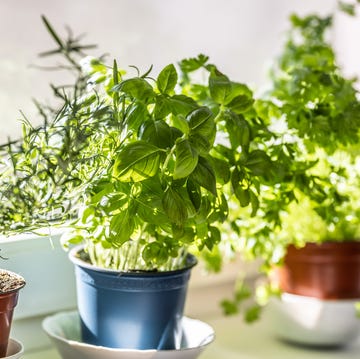
Anchorage is providing access to land, education and other resources necessary for community members to grow food in environmentally sustainable ways as a means to creating a food system where locally produced, affordable, and nutritious foods are available to all. There are six gardens with varying plot sizes available for a rental fee. (Pictured here is the herb garden in the Alaska Botanical Garden, not one of those six.) One of the city\'s main goals in community gardening is to have residents work together -- or at least next to each other -- in relative harmony.
Louisville community garden, community garden, community gardens, veggie patch
Louisville Community Garden
Brightsides Community Garden Program has been in existence for over 19 years managing 10 of Louisvilles 16 gardens. There have been talks by city officials of increasing the number of gardens to 26, one for each district in Louisville.The individual gardens have different roles within the community. Some of the plots are tended by individual gardeners whereas others are owned by charities that produce fresh food for those in need. There are also community teaching gardens that partner with local schools to supply outdoor learning spaces and classes on sustainable living.
|
||||||||||
![]() |
Enter your city or zip code to get your local temperature and air quality and find local green food and recycling resources near you.
|
![]() |
||||||||
![]() |
||||||||||

Comments| Add a comment
LOG-IN TO POST A COMMENT
POST A COMMENT