ADVERTISEMENT
GREEN HOMES

2.7.2011 10:08 AM

8 Simple Ways to Get Free Heat from Winter Sun

Take advantage of the power of passive solar heating.

Get more home winterization tips.

Share
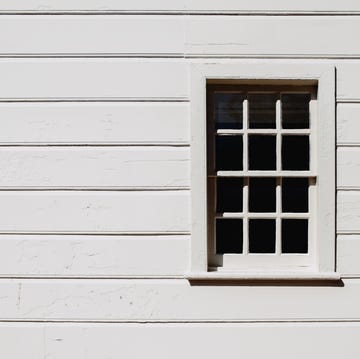
open window
Photo: IStock

By Jakob Barry

Two of the most important ways the Sun affects our surroundings are light and heat. In the winter months, when the Earth is tilting further away from the Sun, both are naturally felt at a diminished rate. That's when energy usage and costs rise, as people tend to use more electricity for indoor activities and burn more fuel because of chilly weather.

In many ways the only other alternative besides wearing more sweaters seems to be moving to a warmer climate, and don't we all wish we could just pick up and leave...

However, winter energy efficiency can be improved during the cooler months by utilizing the Sun's rays, and one way to do this is through passive solar heating: the relationship between architectural design and how a structure receives energy from the Sun. That means a home or building constructed in this method maximizes the Sun's potential vis-à-vis trapping energy and redistributing it indoors.

Now, not every structure passes the passive solar heating test because not every structure was built with the concept in mind. Nevertheless, there are things we can do and take into consideration that can change our level of warmth indoors during the winter:

1. Work from home? If possible make your office space or the room you spend the most time in the area that receives the most sunlight. Even if you work at the office all day this is a good suggestion that could change how much the heat gets turned up.

2. Don't fear the cold outside. When the sun has risen and is shining its rays, open the shades and let the light in. Make sure interiors of windows are not blocked by books, clutter or even hanging laundry.

3. Close doors. If only one room receives the majority of sunlight, close doors to adjacent rooms so the collected heat doesn't distribute itself elsewhere.

4. Seal windows. Close drafts, which are one of the leading causes of high heating bills. If the room in question receives a lot of natural light drafts can easily create the adverse effect when trying to trap heat.

5. Clean windows. Windows should also be clean both inside and outside. When dust settles on panes of glass even the smallest particles will block light and in return prevent heat from entering. The result will be turning up the thermostat while not getting the most out of the Sun.

6. Clear away. Remove branches of trees or anything else blocking the full exposure of your windows from the outside and halting sunlight from passing through.

7. Moving? If you're in the planning stages of moving to a new home or office, weigh heavily on the amount of natural light the potential space receives.

8. Building a home in a colder climate? You may consider using thermal mass materials such as concrete and natural stone, which instead of reflecting sunlight are dense and absorb heat, distributing it to cool areas. Because thermal mass absorbs heat it will also have a positive effect on your home's temperature during warmer seasons as it absorbs indoor warmth, making it cooler.

Jakob Barry writes for Networx.com. He covers various home improvement topics, including green lighting ideas, electrical accidents, home safety awareness, and galley kitchen ideas.


Share

Comments  |  Add a comment

Connect with The Daily Green
ADVERTISEMENT
Organic Gardening and Lawn Care
Save Energy at Home
Purify Indoor Air
Green Cleaning
Calculate Your Impact
Search for a location:
Enter your city or zip code to get your local temperature and air quality and find local green food and recycling resources near you.

ADVERTISEMENT
The Daily Green on Twitter
@the_daily_green
72,168 followers
Sign up for The Daily Green's free newsletter!