Renovating your lawn in autumn sets it up for success next spring. This is as true in the northern US as it is in the deep south. Autumn’s cooler temperatures and occasional rainfalls provide the ideal conditons to feed, repair damage, and control weeds. Experienced turf professionals know that autumn lawn-care activities are as important as those that they undertake in spring to wake the lawn from dorminancy and in summer, to care for it during the height of the growing season.
During autumn, grass is busily absorbing sunlight, moisture, carbohydrates, and nitrogen in preparation for a long, dormant winter. Give it a little attention now, and you’ll be rewarded with a lush, healthy spring lawn. Just follow these six tips.
Keep Mowing
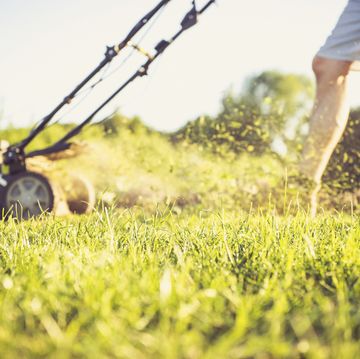
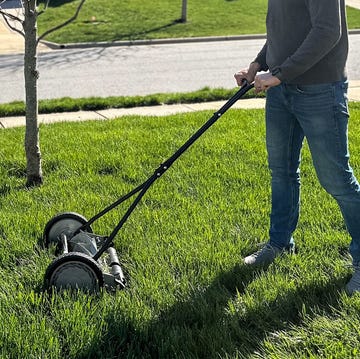
Continue to water and mow your lawn, as needed, throughout the fall. Set the mower up to its highest setting to mulch leaves into the lawn. Once that’s done, if there’s still a cut or two ahead before you finish the season, mow at the normal height or seek out advice from local experts (at a cooperative extension service or nursery) as to whether you should lower the mower deck for the last cut of the season.
There are two schools of thought on this. One school maintains that a normal grass height provides the right amount of leaf area to help the grass absorb as much sunlight as possible once it emerges from winter dormance. The other school maintains that normal grass height can contribute to matting as the grass emerges from dormancy (and in conjunction with spring fertlization).
So which is it? There’s no one-size fits all (nationwide) answer to that. Grass is a lot like politics. It’s all local. What works in one region, or even part of a state, may not work in another. And a lot depends on the type of grass you’re growing and whether you are located in a cool-season grass zone, a warm-season grass zone or the transition area between the two. To better understand this, see the simple grass zone map at Sod University, but to drill down deeper and understand more localized growing conditions, see this map at Pennington Seed.
Once you better understand what you’re growing and what local challenges are, seek out local advice from experts. Again, that’s typically going to come from a nursery or a cooperative extension office.
Aerate the Soil
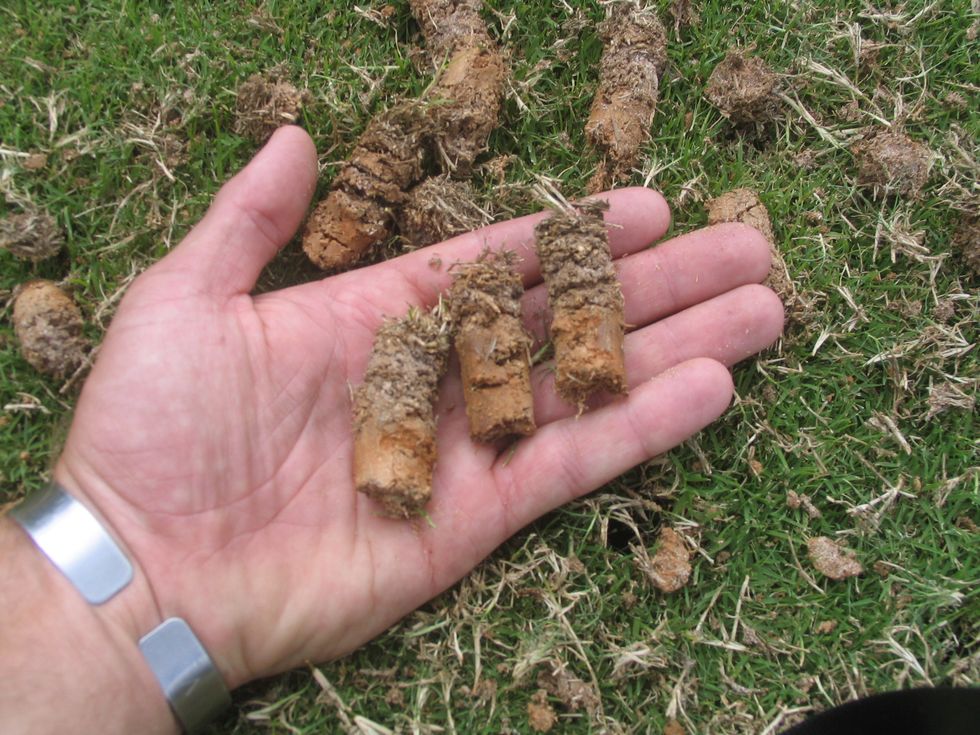

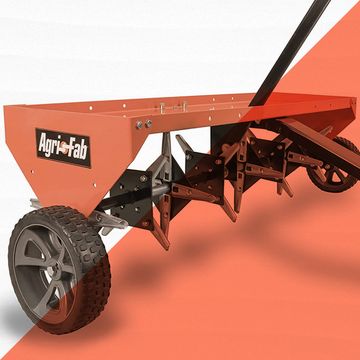
Fall is also an ideal time to aerate your lawn so that oxygen, water, and fertilizer can easily reach the grass’s roots. You can rent a gas-powered, walk-behind lawn aerator for about $70-$100 per day. The self-propelled machine will quickly punch holes into the soil and extract plugs of dirt topped with a piece of grass. If you’ve got a very large yard—say, more than 3 or 4 acres—it probably makes sense to hire a landscape contractor.
Rake the Leaves
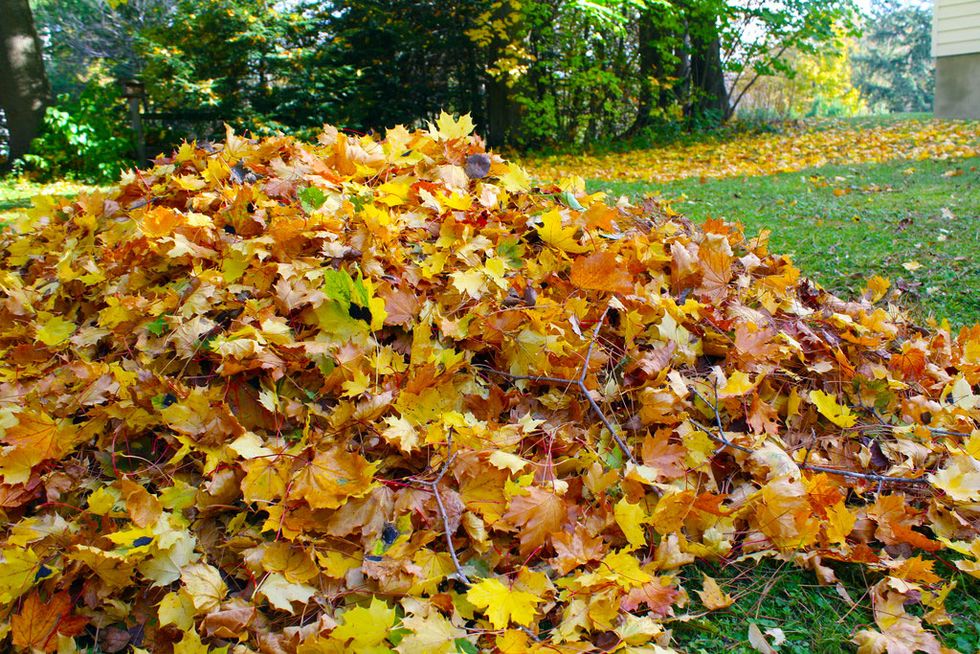
Fallen leaves on the lawn block sunlight from reaching it, particularly at a time of year when it needs as much sun as possible to power carbohydrate storage. Don’t wait until all the leaves have fallen from the trees to rake. Aside from blocking sunlight, fallen leaves can become wet from rain and morning dew, stick together, and form an impenetrable mat that can suffocate the grass and breed fungal diseases.
An alternative to raking leaves is to mulch the leaves into the lawn, or use a lawnmower fitted with a collection bag or vacuum system. These methods are particularly effective if you have a very large yard with many deciduous trees. Regardless of whether you use a rake or a lawnmower, just be sure to remove the leaves before they turn into a soggy, suffocating mess.
Fertilize for Future Growth
Most lawn experts agree: If you fertilize your lawn only once a year, do it in the fall. The reason? Grass leaves grow much more slowly as the weather turns cool, but the grass roots and rhizomes continue to grow quickly. Rhizomes are the horizontal plant stems that lie just beneath the soil’s surface; they produce the blades of grass above and the roots below. A fall application of fertilizer delivers essential nutrients for the grass to grow deep roots now and to keep nutrients on reserve for a healthy start next spring.
Wait until mid to late fall–again, consult a local expert at a nursery or cooperative extension office to target the optimal date. Then apply a granular lawn fertilizer. Be careful not to miss any spots. You could use a crank-style broadcast spreader, but for optimum coverage, consider using a walk-behind drop spreader. It takes a little longer, especially on hilly yards, but a drop spreader provides the best way to apply an even, consistent layer of fertilizer.
Fill in Bald Spots
Autumn is also a great time of year to fix any bare, bald spots in your lawn. The quickest, easiest way to do this is with an all-in-one lawn repair mixture. Sold at most garden shops and home centers, this ready-to-use mixture contains grass seed, a special quick-starter lawn fertilizer, and organic mulch.
Use a garden rake to scratch loose the soil at the bald spot in your lawn. Then spread a thick layer of the lawn repair mixture over the area. Lightly compact the mixture, then water thoroughly, and continue to water every other day for two weeks.
Weed Control
If broadleaf weeds like dandelions have taken over your lawn, now’s the time to fight back. Weeds, like most plants, are in the energy-absorbing mode during the fall. They’re drinking in everything that comes their way, including weed killers. Read the package label before use, then apply an herbicide and the weeds won’t return in the spring. Just keep in mind that herbicides and grass seed don’t go together. If you’ve repaired one area of the lawn, the herbicide can kill the new grass seedlings. Or it can prevent seed from germinating.
Joe is a former carpenter and cabinetmaker who writes extensively about remodeling, woodworking, and tool techniques. He has written eight books and is a contributing editor to Popular Mechanics. He also appears on the Today’s Homeowner TV show, and co-hosts the weekly Today’s Homeowner Radio Show. Joe writes from his home in Roxbury, Connecticut.