Wednesday, February 10
ADVERTISEMENT
GREEN HOMES

5.14.2008 10:40 AM

How Much Extra Will Consumers Pay for Green Products?

And How Important Is a Company's Social Image?

Print RSS Share Facebook Twitter
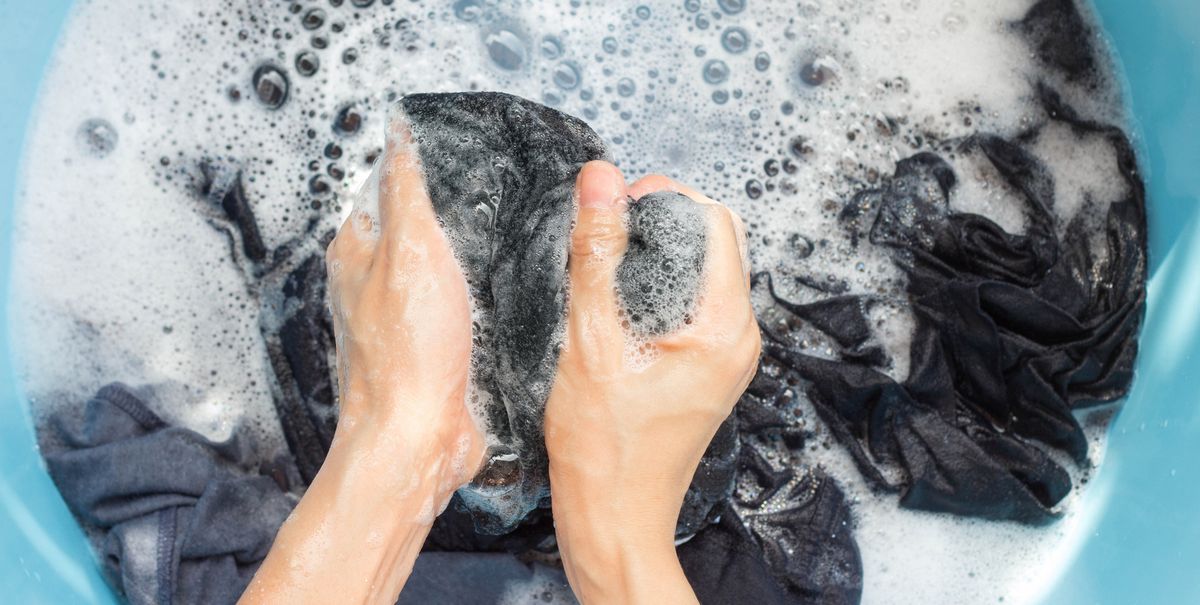
Organic T-shirts
Consumers were asked, "How much more would you pay for an organic T-shirt?"
Photo: Ron Sumners/ Istock

By Brian Clark Howard

The Wall Street Journal has a fascinating analysis that tries to get at how much ethical and environmental considerations really stand to change consumer behavior.

It's no small question, because many of the negative side effects and results of our consumer society have occurred over the decades because those in boardrooms and government have assumed the masses would rather not know what's really behind all those shiny new goods and services. This includes poor and dangerous working conditions; deforestation; pollution; discrimination; support of dictators, terrorists and murderous rebel groups; overthrow of democratically elected leaders and so on.

But the ethical and green products industry has slowly been gaining steam for years, and recently has been experiencing explosive growth, precisely because some business visionaries have believed that consumers will indeed pay a little extra for things they can feel better about. But exactly how much extra, and what do companies actually have to do?

To find out, the Journal conducted a series of experiments, showing consumers the same products — coffee and T-shirts. One group was told the items had been made using high ethical standards, one group was told they were made with low standards, and a control group was told nothing. They found consumers were indeed willing to pay a small premium for ethically sourced goods. But interestingly, participants agreed to buy known unethically made products only after their prices were slashed significantly.

Not surprisingly, people who walked in with stronger opinions about the importance of good corporate behavior showed more polarization toward higher reward and deeper scorn when it comes to pricing. However, the test also found that "if a company invests in even a small degree of ethical production, buyers will reward it just as much as a company that goes much further in its efforts."

This last point is at once encouraging and troubling. On one hand it provides incentive for companies to get started on a greener path, since they can achieve considerable results without having to completely overhaul their entire business. That should make doing the right thing more accessible. On the other hand, it means there is real potential for greenwashing, in which companies make a few cosmetic changes to their image in hopes of being labeled as a good actor. (Remember when the Sierra Club discovered that BP had spent more money on its corporate name change than it had on actually researching going Beyond Petroleum?)

It's perhaps not too shocking to discover that consumers don't want to be associated with known negative brands. Nobody wants to be seen as a jerk among his or her peers. In investing, the socially responsible funds that screen out controversial companies have long been more popular than those that focus primarily on the hard-core do-gooders.

This report also shows why it is so important for consumers to have as good information as possible on what consequences their choices may have. It's true that globalization has made things complicated and immense, but companies can no longer excuse themselves by saying they just didn't know what problems their actions may cause. In large part, we have decades of struggle by dedicated environmental groups and activists to thank, as well as journalists and politicians, who have fought to expose trouble spots and bad actors.

Learn more about the Wall Street Journal's test results here.


Print RSS Share Facebook Twitter

Comments  |  Add a comment

so far..
loading.. please wait
ADVERTISEMENT
No-VOC Paints
7 Simple Money Savers for the Home
Surprising Sources of Indoor Air Pollution
Calculate Your Impact
Search for a location:
Enter your city or zip code to get your local temperature and air quality and find local green food and recycling resources near you.

ADVERTISEMENT
Hearst Digital Media