Home Ideas
Our editors are helping you get your home more organized, up your curb appeal and find the right decor for every space — kitchen, bathroom, bedroom, you name it. Plus, you'll find renovation advice, product recommendations and more from the experts in the Good Housekeeping Institute's Home Care & Cleaning Lab.
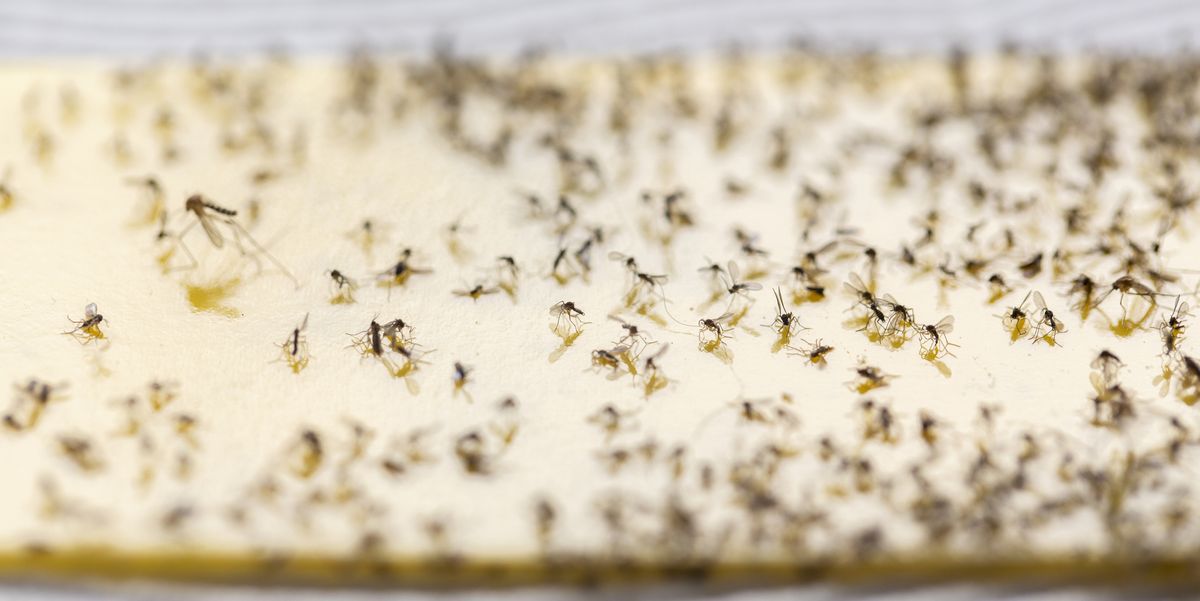
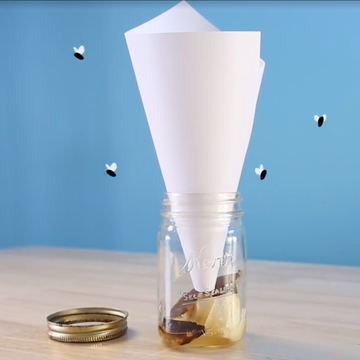
How to Get Rid of Gnats in Your House Quickly
Trending Now
Your Ultimate Guide to Sustainable Living
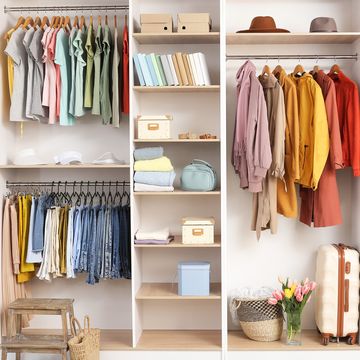
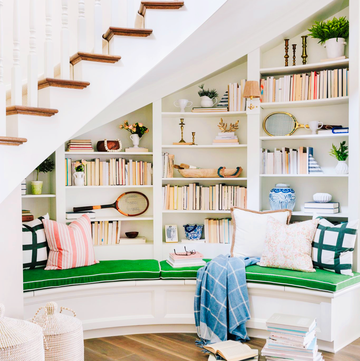
The 35 Best Closet Organization Ideas
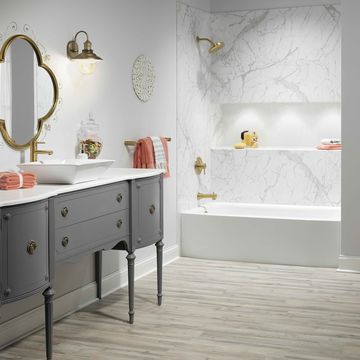
From Good Housekeeping for Bath Planet
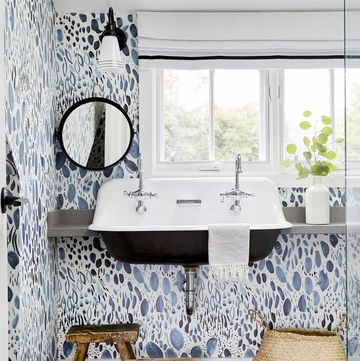
A Beautiful Bathroom That Won't Break the Bank
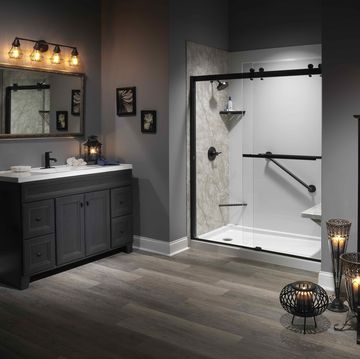
From Good Housekeeping for Bath Planet
Upgrade Your Bathroom In a Matter of Days
Advertisement - Continue Reading Below

Advertisement - Continue Reading Below
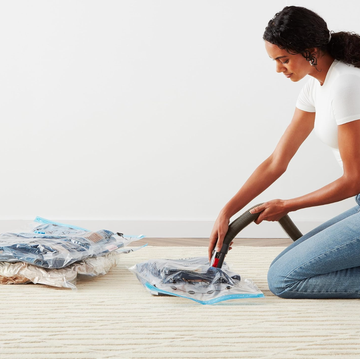
10 Best Vacuum Storage Bags For Clothing and More
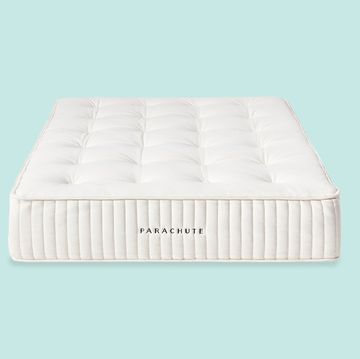
The Best Innerspring Mattresses
The Best Pillows for Comfort and Support
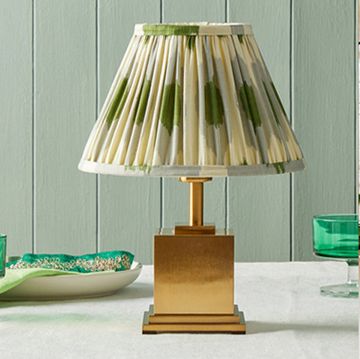
27 Best Table Lamps for Any Space

Advertisement - Continue Reading Below
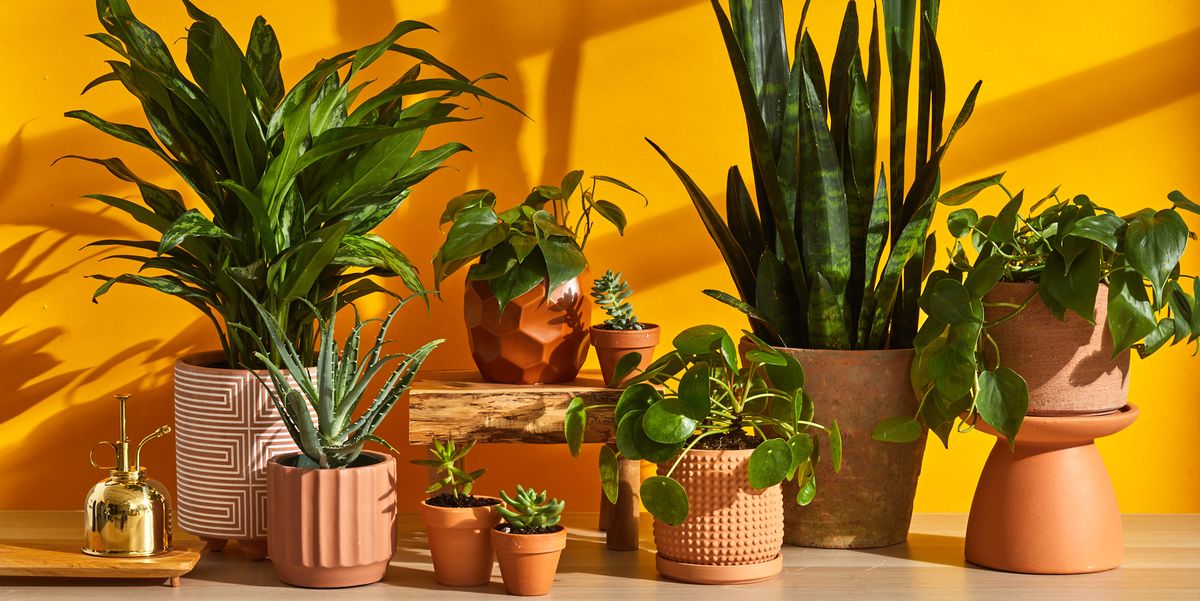
100 Unique Plant Names for Your Beloved Houseplants

Organize Your Home With Our 14-Day Declutter Plan
Advertisement - Continue Reading Below

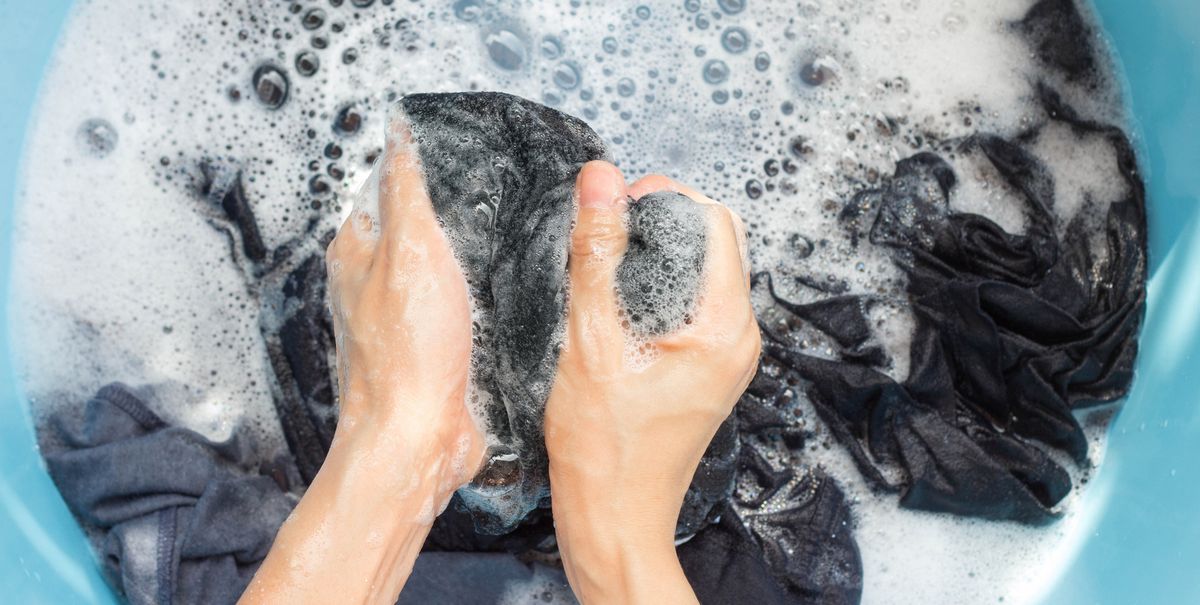
How to Hand Wash Your Clothes in 6 Easy Steps


Advertisement - Continue Reading Below
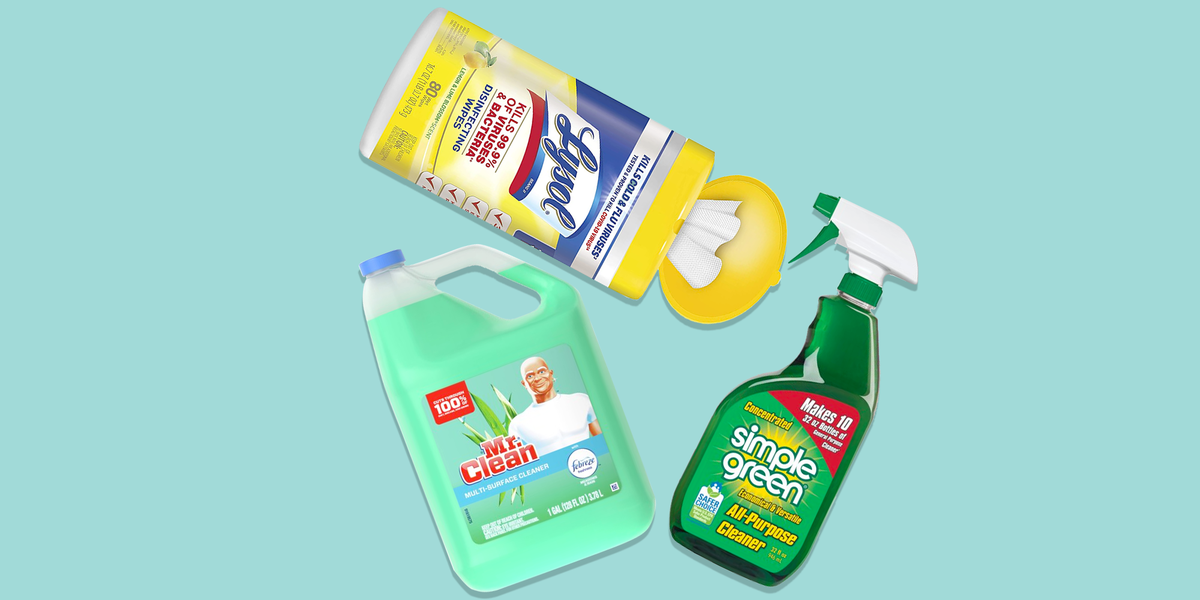
8 Best All-Purpose Cleaners, According to Cleaning Experts


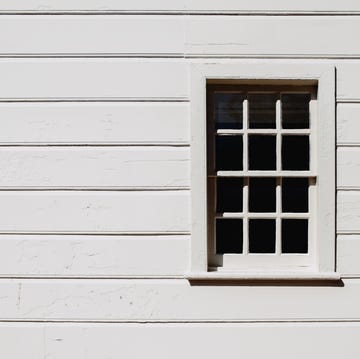
The Best Siding for Your House
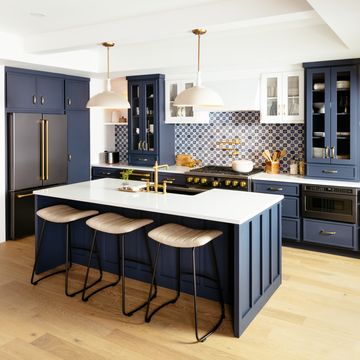
From Good Housekeeping for Ferguson
Renovating? Consider This.
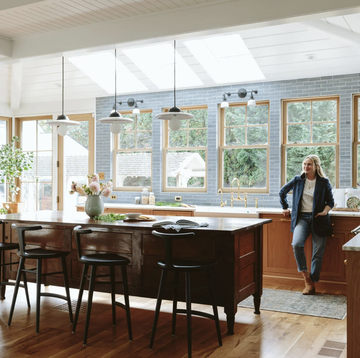
The #1 Renovation Mistake Homeowners Make

Is Sunrun the Right Solar Provider for You?
Advertisement - Continue Reading Below
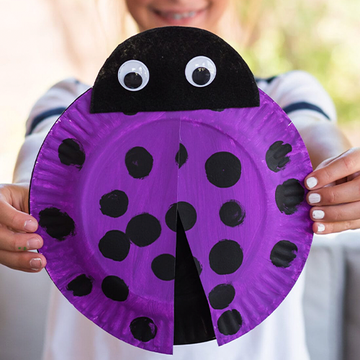
45 Cute Summer Crafts for Kids
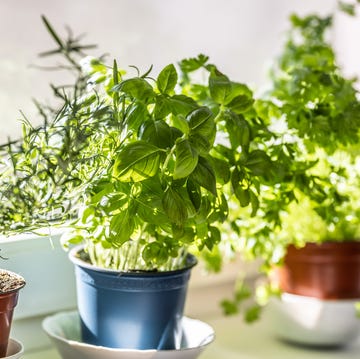
You Need to Try This Viral TikTok Plant Hack
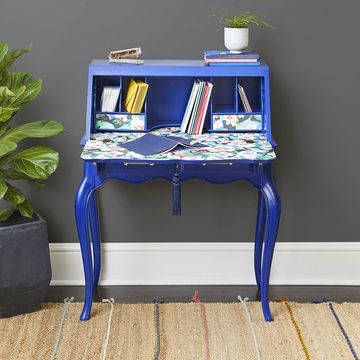
How to Refinish Furniture With Paint
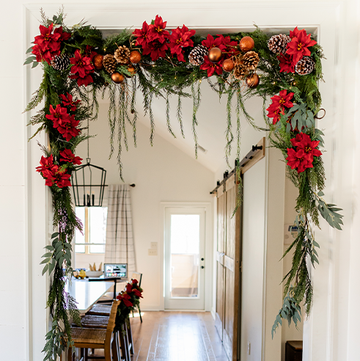
The Life-Changing Garland Hack Taking Over TikTok
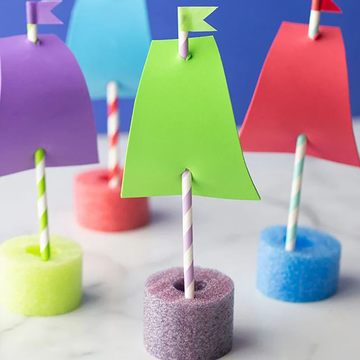
Banish "I'm Bored!" With These Activities for Kids

90 Easy DIY Christmas Crafts

Cheap and Easy Greenhouse Plans for Your Backyard