When it comes to "home grown is best," there is no common vegetable -- including tomatoes! -- that proves this as conclusively as peas. Three reasons:
If you have a garden, planting peas is a no-brainer. If you're growing food in containers, planting peas will show your dedication to quality over quantity.
Planting Peas in Containers
Let's get the unpleasant part out of the way first: peas aren't good container plants, because they want cool weather and moist soil. Containers are by nature hot and dry, and they're usually sitting on or above heat-retentive paved surfaces, so you're more or less working uphill all the way. Nevertheless, it can be done, and the results are worth it.
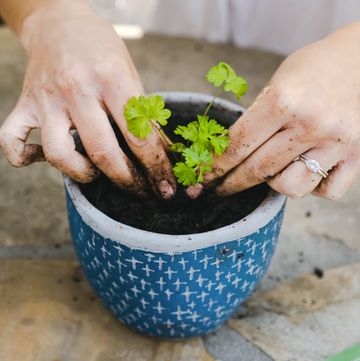
1. Select a large container -- at least 14 inches wide and deep. Something much larger, like a half whiskey barrel, is much better. A light color is better than a dark one; consider painting the barrel. Fill it with a mixture of 3/4ths soilless mix like Promix and 1/4th compost.
2. Choose your peas. Early, bush varieties have the best chance of success. Shelling peas like Little Marvel are a taste revelation, but you'll get more to eat if you choose a snap pea like Sugar Ann or a snow pea like purple flowered Dwarf Grey Sugar, available from Johnny's Selected Seeds.
3. Presprout the seeds. Soak them overnight in cool water. Cover a plate with a double layer of dampened paper towel, spread the soaked seeds on it and cover with more damp toweling. Put the whole thing in a plastic bag, leaving the bag open at the top, and put it aside somewhere out of direct sun. Check daily and add water if necessary, which it probably won't be because it'll only take them a couple of days to sprout.
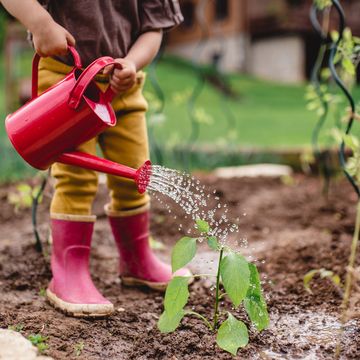
4. Arrange the sprouted peas one inch apart each way all over the surface of the container. Cover with 2 inches of your planting mix. Water thoroughly. Have coverings handy in case there's a frost before the baby plants are well established. (Once they get going a light frost won't hurt.)
5. Fertilize at planting and then every three weeks with a mixed seaweed and fish emulsion liquid fertilizer. Stop when they start flowering. Pick religiously; they'll be looking for any excuse to stop producing and just a few developing seeds will be enough to let them bow out.
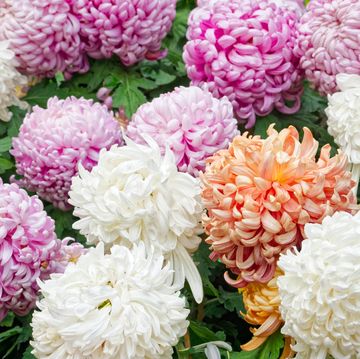
6. If the container is going to stay in place all season, remember the peas will be ugly and over in mid to late July, when most garden centers have stopped selling annuals, except for big ones that cost princely sums. If that route doesn't appeal, consider planting fall greens like chard or kale or putting in young chrysanthemums. Baby chrysanthemums planted in mid summer will be bigger and stronger in Autumn than Fall-purchased plants.
Photo: Carouby de Maussane snow pea (available from Pinetree Garden Seeds); shoots and flowers are almost as delicious as the peas.
Check out the recently redesigned LeslieLand.com:
Echinacea(s) Extraordinaire Coneflowers go High Style
One Minute Apple Pie
A Tale of Two Lettuces
|
||||||||||||
![]() |
Enter your city or zip code to get your local temperature and air quality and find local green food and recycling resources near you.
|
![]() |
||||||||||
![]() |
||||||||||||