45 Tiny Lifestyle Changes You Can Make Right Now to Help Save the Earth
A little goes a long way when it comes to being greener.
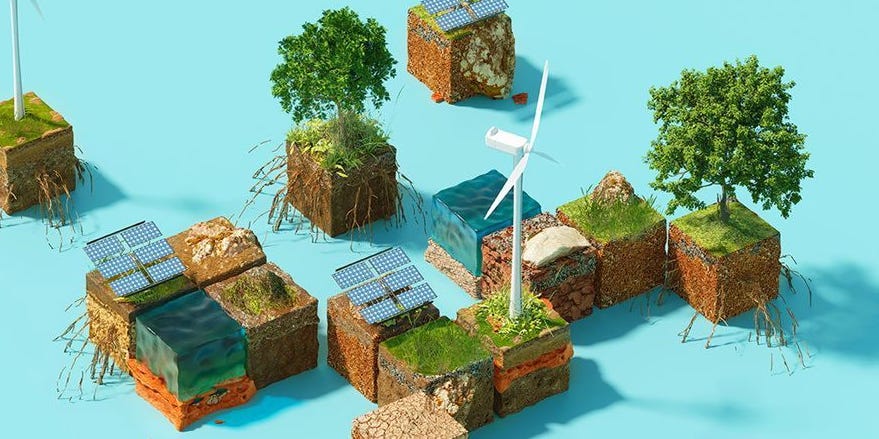
After 50+ years of celebrating Earth Day, it's more important than ever to be green. If you're looking for simple changes you can make at home in honor of the holiday, these easy, eco-friendly lifestyle changes on our list will help guide you: little yet important things like reusing the items you already have, purchasing environmentally-friendly products that don't come in excess packaging, and reducing your daily water and energy consumption. After all, even a tiny bit goes a long way when it comes to saving the earth!
One way to be smart shopper is to keep your eyes out for products with the Green Good Housekeeping Seal, or winners of our most recent Good Housekeeping Sustainable Packaging Awards. As Anne Marie Bonneau of Zero-Waste Chef once said, “We don't need a handful of people doing zero waste perfectly. We need millions of people doing it imperfectly.” Here are some tips to help you kick off your sustainable-living journey. Earth Day comes once a year, but these lifestyle changes could be beneficial for the other 364 days, as well as years to come! We only have one (Mother) Earth, so let's treat her right.
Turn the Faucet Off
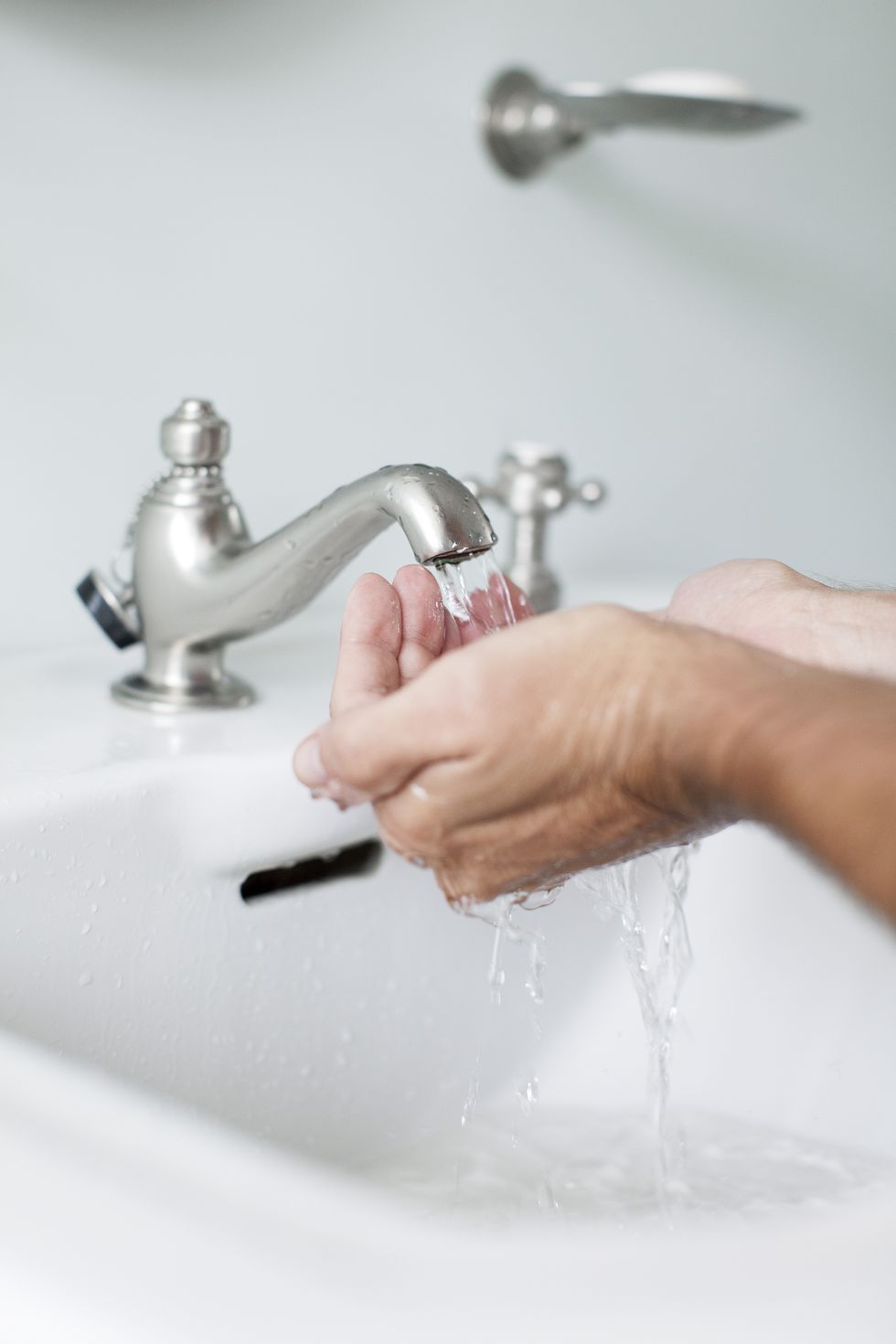
Did you know you can save up to eight gallons of water a day just by shutting off the faucet when brushing your teeth? Similarly, you can conserve a lot of water while washing your hands — just turn off the tap for those 20 seconds you're scrubbing with soap.
RELATED: Here's How to Wash Your Hands Properly, According to Experts
Unplug Appliances When Not In Use
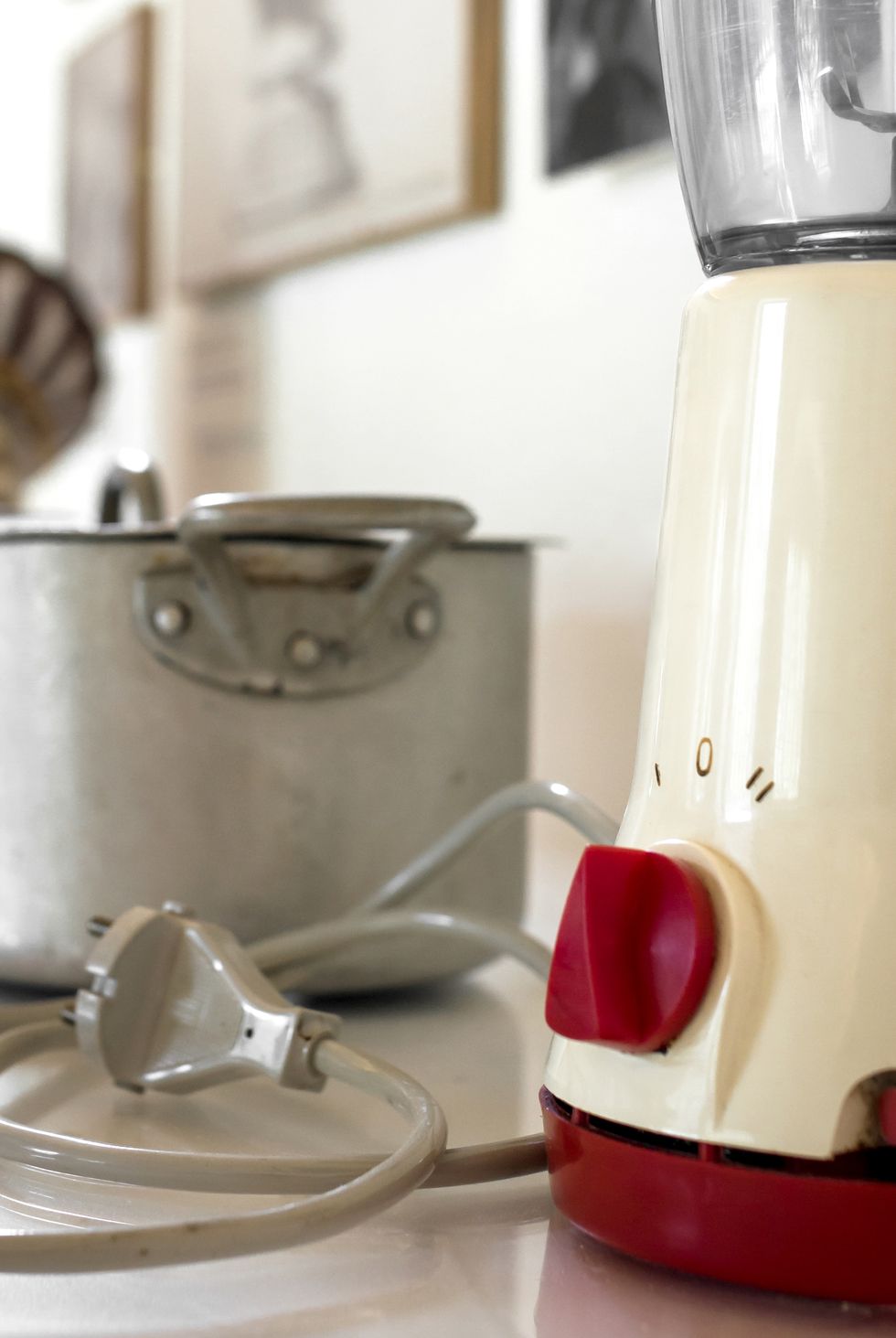
Yes, your households appliances are wasting energy even when they're not turned on! Instead of leaving things like your coffee makers, toasters, and even your lamps plugged in indefinitely, make the small effort to unplug when you're not using them.
Wash Laundry in Cold Water

About 90% of the energy your washing machine uses goes towards heating the water. To save energy, wash your laundry on the cold water setting for at least one load a week. Plus, cold water may even be better for your clothes — it can remove many stains from clothing, while hot water tends to shrink, fade, or wrinkle certain fabrics.
Turn off the Heat Dry Function on Your Dishwasher
The same goes for your dishwasher: Instead of using the heat dry function on your dishwasher, consider selecting an air-dry cycle to dry your dishes. This will save about 15 percent of your dishwasher's energy use! If you don't have this option on your dishwasher, just crack open the door to let your dishes dry once your load has finished washing.
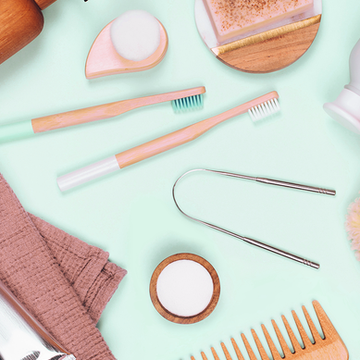
Shop Eco-Friendly Household Products
When it comes to your household products, shopping eco-friendly goes a long way. Instead of single-use, disposable items, look for "green" products that are reusable, sustainably sourced, or made of recycled materials.
Invest in a Bidet
Americans use 36.5 billion rolls of toilet paper every year, which represents the pulping of some 15 million trees. A more environmentally friendly option is to invest in a bidet instead — not only are these devices more sanitary (and cheaper in the long run), they can also lower our use of toilet paper to save both trees and water.
Use a Cloth Towel Instead of a Paper Towel
It's certainly cheaper to hold onto a cloth towel than to buy a new roll of paper towels every week.
Stop Drinking out of Plastic Water Bottles
This one's a simple fix. Replace your regular single use plastic bottles with some of plastic, glass, and stainless steel reusable water bottles that are all the rage right now.
RELATED: Exactly What Every Plastic Recycling Symbol Actually Means
Turn off Your Lights When You Leave the Room
Turning off your lights when you're not home, or even not in that room, can significantly cut down how much energy you're using. What do you need them on for anyway?
Don't Idle in Your Car
If you're idling in your car for more than 2 minutes, turn off your engine. That way, your car is only releasing emissions while your driving.
Bring a Reusable Cup to Your Coffee Shop
You can still fulfill your caramel frappuccino cravings every once and while — without throwing a way a plastic cup afterwards. Bring your reusable coffee mug to your regular coffee shop and ask them to put the coffee in there — chains like Starbucks and Dunkin will even give you a discount.
Collect Rainwater
Invest in a rainwater collection system. There's so much you can use this non-drinking water for — like cleaning or watering plants.
Try Reuseable Batteries
Always running out of batteries? You can stop making those late night drugstore runs for replacements by using reusable batteries instead.
Fix Your Leaky Faucet
Those tiny drops of water add up big time when it comes to your water bill. Tighten up a drippy faucet to cut down on the water you didn't even realize you were consuming.
Take the Stairs Instead of The Elevator
Taking the stairs cuts down on the energy use required to power the elevator. Plus, it's a great workout!
RELATED: The Best At-Home Workouts to Help You Stay Healthy and Fit, According to Personal Trainers
Ditch the Plastic Straws
Americans use nearly 500 million plastic straws every day. Replace your plastic straws with a set of reusable ones made from stainless steel, silicone, or bamboo — the sea turtles will thank you.
Calculate Your Carbon Footprint

Determining the amount of CO2 you produce through your daily routine is the first step to fixing it. This is one of those things you can't "un-know" once you know. Warning: The results come with a little side of guilt.
Leave the Car at Home
It's never been easier to ditch your car. Organize a carpool with co-workers, use a rideshare app, take public transit, or be the most health-conscious and ride a bike. Less cars on the road not only means less air pollution, it also means less traffic. Not to mention all of the gas money you'll save!
RELATED: The 10 Best Commuter Bikes, According to Experts and Consumers
Give Your Home a "Green" Makeover

Going "green" doesn't necessarily require you to get on your roof to install solar panels. There are little switches you can make, like buying energy-efficient light bulbs that could even save you a few dollars in the long run.
Fix Something
Not everyone is good at handy work, but that's no reason to just throw away something that's on the fritz. Online tutorials and apps like TaskRabbit have made it possible to salvage your malfunctioning products without having to shell out the dough for a replacement. The less waste heading to the dump the better.

The Next Time You Order Takeout, Don't Forget This

Famous Quotes for Earth Day
How to Decode Recycling Symbols
What Does "Eco-Friendly" Mean?