Everything You Need to Know About Keeping Your Home's Air Clean
Breathe easy (and reduce your risk for illness) with these guidelines for improving indoor air quality.


We've been independently researching and testing products for over 120 years. If you buy through our links, we may earn a commission. Learn more about our review process.
How dirty is the air in your home? Indoor air quality can be two to five times more polluted than outdoor air, and since the Environmental Protection Agency estimates that people spend 90% of their time indoors, this is a big deal.
Poor air quality can threaten your family's health, so it's important to keep things out of your home that cause pollution, and ensure that your house is well-ventilated. Follow these tips from the American Lung Association to get started on purifying the air you breathe every day.
Don't allow smoking indoors.

Some indoor air pollutants can kill. Among the most dangerous is secondhand smoke. Thousands of children are hospitalized or sickened with respiratory tract infections each year, and smoke puts older adults with cardiovascular or lung illness at higher risk for health problems.
Since cigarettes are so harmful, never let anyone smoke inside your home. The Surgeon General states that there is no safe level of secondhand smoke. Ask smokers to take it outside.
FIRST ALERT Install a carbon monoxide detector.
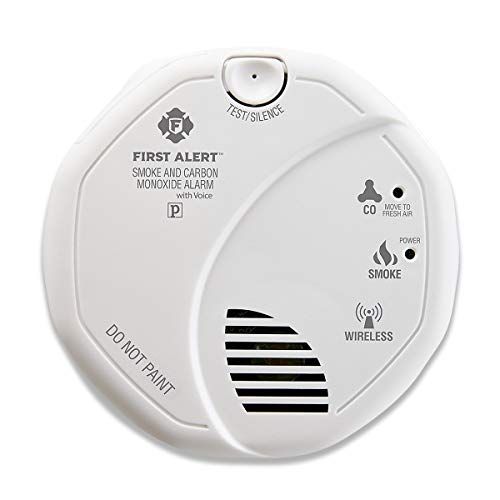
FIRST ALERT Install a carbon monoxide detector.
Carbon monoxide poisoning claims the lives of over 400 people each year and thousands of others become ill or seek medical attention after exposure to the odorless gas.
Early symptoms might resemble the flu, but look for these differences: If more than one family member has symptoms — even your pets — and you feel better away from home, you may have a carbon monoxide problem. Protect yourself by installing a carbon monoxide detector near your sleeping rooms. Also have all fuel-burning appliances inspected by a qualified technician once a year to keep the deadly gas away from your home.
Don't idle the car in the garage.

Burning gas or other fuels indoors can produce dangerous levels of indoor air pollution and deadly carbon monoxide.
Fumes from cars or lawnmowers left running in enclosed spaces, like garages, can endanger your health. To that point, you should also only use gas stoves and heaters that vent directly to the outside. Never use charcoal grills indoors.
Test for radon.
Radon gas: It's silent. It's odorless. It's found in many American homes, and it is the second biggest cause of lung cancer, after cigarette smoke.
Radon is the leading cause of lung cancer in nonsmokers and the second-leading cause of lung cancer, period. Scientists estimate that radon causes thousands of deaths annually.
Radon is an odorless, invisible gas that occurs naturally in soil and rock and can only be detected through testing. Testing your home for radon is easy and inexpensive and getting rid of the gas may save your life.
Use low VOC paints.
Paints release trace amounts of gases for months after application — even though they appear to be fully dried and the smell is gone.
These gases are called VOCs, or volatile organic compounds, and can include highly toxic chemicals such as formaldehyde and acetaldehyde.Use "low-VOC" paints, varnishes, waxes and other chemicals, and open windows and use exhaust fans to remove gases when you paint. Do not store open paint containers indoors.
Fix leaks.
Rain and high humidity can bring moisture indoors, which can lead to mold and mildew. Dampness alone — even without mold — is associated with higher risk of wheezing, coughing and asthma symptoms.
Check your roof, foundation, and basement once a year to catch leaks or moisture problems and route water away from your home’s foundation.
Clean your air conditioner.
Help keep asthma triggers away from your house by fixing leaks and drips as soon as they start. Standing water and high humidity encourage the growth of dust mites, mold and mildew — some of the most common triggers that can worsen asthma. Use a dehumidifier or air conditioner when needed, and clean both regularly.
Know the limitations of air purifiers.
Air cleaning devices can help reduce some of the tiniest airborne particles, and as part of a comprehensive strategy, may help reduce indoor air pollution. However, they have limits. For example, air purifiers aren't effective against gases or humidity. Larger, heavier particles — including many allergens — fall too quickly out of the air to be effectively removed this way.
RELATED: Do Air Purifiers Actually Work?
Keep pets out of your bedroom.
Pet allergies can come from an animal’s saliva, urine, feces and dead skin cells, so no pet is “hypoallergenic.”
If you're sensitive to pet allergens, keep furry friends away from sleeping rooms. Clean floors and upholstered furniture frequently (two or more times a week) to reduce exposure. Washing you pets or using indoor air cleaning devices helps will not help much.
Reduce carpeting.
Carpet traps unhealthy particles — including chemicals, dust mites, pet dander, dirt and fungi — and vacuuming can make them airborne. If you do have carpets, use a HEPA (high efficiency particle air) vacuum cleaner to ensure better air quality. Hard surface flooring, like wood, tile or cork can be readily cleaned by damp mopping.
Kill dust mites.
Dust allergies are actually allergies to dust mites — microscopic pests that need moisture to survive. Dust mites feed on human skin and live in bedding, pillows, mattresses, stuffed toys, upholstery, and carpets. To fight dust mites in your home try these steps: Vacuum and steam clean upholstered furniture regularly, keep humidity levels below 50% with a dehumidifier, use dust-mite resistant covers and wash bedding in very hot water.
Don't disturb asbestos.
Asbestos is a mineral fiber that can still be found in many older homes. Inhaling tiny asbestos fibers can increase the risk of lung cancer and other lung diseases. Pipe coverings, flooring, shingles and roofs are likely places to find it.
Check asbestos-containing materials regularly for damage. Don't try to remove asbestos that is already in place; it is best left undisturbed. If the material is damaged, or you plan to remodel, always get professional help.
Ventilate to control humidity.
Proper ventilation is one of the best ways to protect and improve the air in your home. High levels of moisture increase dampness and the growth of mold, which can lead to wheezing, coughing and asthma attacks in people with allergies. Normal daily household activities — including cooking, washing, and even breathing — produce water vapor, so having adequate ventilation is essential.
Try these dehumidifying tricks to keep the humidity in your home below 50%: Install and run exhaust fans in bathrooms, make sure vents exhaust air outdoors and not into your home, and remove any mold damage or growth and fix all leaks.
Be wary of dry cleaning chemicals.
Dry cleaning solvents can be toxic to breathe. Let dry-cleaned items air outdoors before bringing them inside to prevent chemicals from entering your home.
Watch out for lead paint.
Lead-based paints can still be found in homes built before 1978. Any peeling, chipping or chalking of lead-based paint can increase the risk of unhealthy lead exposure.
Young children risk delays in mental development, lower IQ and behavioral problems from inhaling lead paint dust. Some of those damages can be permanent. Remodeling that requires sanding, scraping or removing walls will release paint dust into your living space.
However, you can reduce the risk if you take the proper steps: Leave lead-based paint undisturbed if it is in good condition and do not sand or burn off paint that may contain lead; do not remove lead paint yourself; and if your work or hobby involves lead, change clothes and use doormats before entering your home.
Avoid toxic products.
Hair and nail products, cleaning products, art and hobby supplies and other common products can increase the levels of VOCs. Look for eco-friendly products that are marked “low VOCs” and be sure to open windows and use exhaust fans when using these products.
Ventilate your kitchen.
Cooking can be a big source of indoor air pollution, especially if you have a gas stove. Scientists who measured indoor air quality found that cooking a single meal on a gas stove can produce levels of nitrogen dioxide that the EPA considers unsafe to breathe. Ventilate your kitchen stove directly outside or open a kitchen window when you cook.
Ventilate your bathroom.
Bathroom fans can help reduce moisture and prevent the growth of mold. Consider installing a fan with a separate timer that can continue to remove moisture after you turn out the light. A little common sense goes a long way. If a bathroom smells like mold or you can see water spots, you need to reduce the moisture.
Ventilate your wood stove.
Fireplaces and wood or gas stoves can produce carbon monoxide, nitrogen oxides, and fine particle pollution. If you use a wood or gas stove or fireplace, make certain it is fully vented to the outside.
Beware formaldehyde.
Formaldehyde is a gas found in many home products, like disinfectants, adhesive, insecticides, and particle board. It is a carcinogen and can cause health problems that include coughing, eye, nose, and throat irritation, skin rashes and asthma-like symptoms. People with asthma may be more sensitive to formaldehyde.
Keep formaldehyde away from your home by choosing wood panel products that are not made with formaldehyde glues, lumber or materials. Cigarette smoke is also a major source of indoor formaldehyde — another reason to ban smoking from your home.

The Next Time You Order Takeout, Don't Forget This

Famous Quotes for Earth Day

How to Decode Recycling Symbols

What Does "Eco-Friendly" Mean?